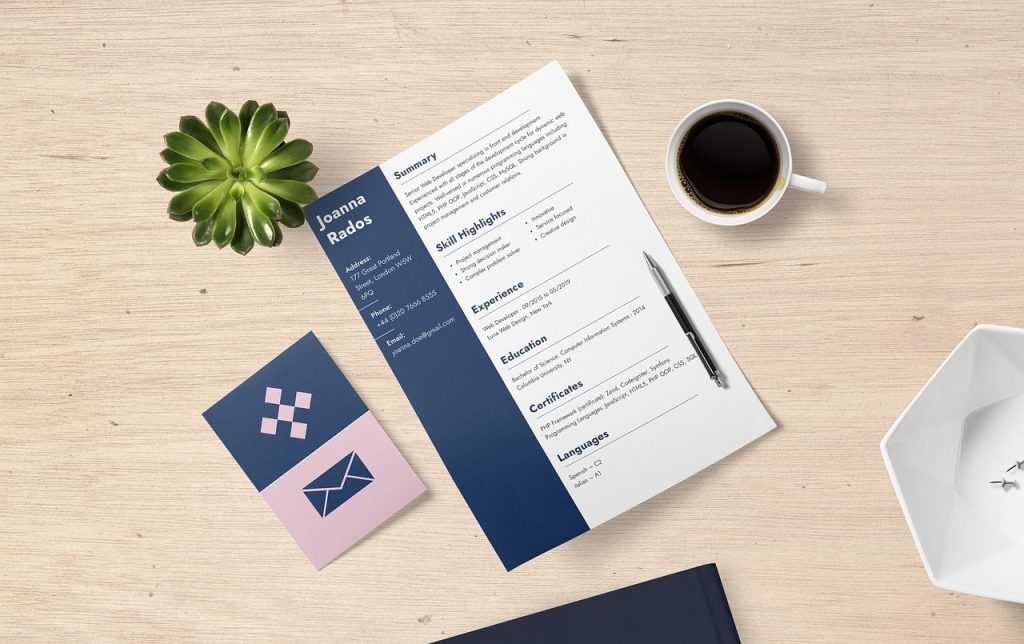
CV With No Experience: How to Write One That Gets You Hired
A CV with no experience feels like a contradiction. Every job wants experience, but you cannot get experience without a job. This is one of the most common frustrations students search for online, and the good news is that it has a real, practical solution. You do not need a long work history to write a strong CV. You need to present what you actually have in a way that shows real value to an employer.
Why Employers Do Not Expect a Long Work History From Students
Hiring managers reviewing entry level applications already know most candidates are early in their careers. They are not comparing your CV against someone with ten years of experience. They are looking for signs of reliability, real effort, and transferable skills, things you can absolutely show even without formal jobs.
Understanding this changes how you should approach your CV with no experience. Instead of apologizing for a short work history, focus entirely on presenting what you do have clearly and confidently.
Start With a Strong Personal Summary
Open your CV with two or three sentences summarizing who you are and what you bring. Mention your field of study, a key strength, and what kind of role you are seeking. Keep it specific rather than generic.
A weak example says “hardworking student looking for opportunities.” A stronger example says “second year business student with strong organizational skills, seeking a part time role in customer service to apply and grow my communication abilities.”
List Your Education With Real Detail
Your education section carries more weight on a CV with no experience than it would later in your career. Include your school, your expected graduation date, and any relevant coursework, projects, or academic achievements that connect to the role you want.
If you have a strong grade point average or completed a project directly relevant to the job, include it here. This section should work harder for you right now than it will once you have more work history to lean on.
Turn School and Personal Projects Into Real Experience
Many students overlook genuine experience simply because it did not come from a paid job. Group projects, class assignments, personal projects, and volunteer work all count as real experience when described properly.
Ways to reframe these as genuine CV content:
A group project where you coordinated tasks becomes an example of project coordination and teamwork. A personal blog, app, or creative project shows initiative and specific skills, even without formal employment behind it. Volunteer work, even informal or short term, demonstrates reliability and community involvement. Class presentations show communication and public speaking skills employers genuinely value.
Describe these using the same active, results focused language you would use for a paid job. What did you do, and what was the outcome.
Highlight Extracurricular Activities With Purpose
Clubs, sports teams, and student organizations often get listed as a bare mention, missing an opportunity to show real skill. Instead of simply naming the activity, briefly describe your role and any responsibility you held.
Being treasurer of a student club demonstrates real financial responsibility. Organizing a small event shows planning and coordination skills. Even regular participation in a sports team shows discipline and commitment, worth a short mention if space allows.
Build a Skills Section That Actually Matters
List specific skills relevant to the role you are applying for, not a generic list disconnected from the job description. Include both practical skills, like specific software or tools, and soft skills, like communication or problem solving, but back soft skills with a brief example elsewhere on your CV rather than just listing the word alone.
Read the job posting carefully and mirror the specific language it uses where genuinely true of your abilities. This helps your CV pass both human review and automated screening systems many companies use for entry level applications.
Format Your CV With No Experience Cleanly
Keep your CV to one page if possible, especially with limited content to fill it. Use clear section headings, consistent formatting, and readable fonts. Avoid dense paragraphs, since hiring managers often skim CVs quickly during initial review.
Free tools like Google Docs offer simple, clean CV templates if you are unsure where to start formatting. Choose something professional and easy to read over anything overly decorative or complicated.
Write a Short, Genuine Cover Letter to Support Your CV
A well written cover letter can do real work that a CV with no experience cannot do alone. Use it to explain your genuine interest in the specific role, and to connect your background, even without formal work history, directly to what the employer needs.
Keep it short, specific to the actual job, and honest about your enthusiasm to learn and contribute, rather than generic language that could apply to any application.
Common Mistakes to Avoid
Padding with irrelevant information. Listing unrelated hobbies or excessive detail dilutes your strongest points rather than strengthening your CV.
Using a generic, unedited template. A CV that is not carefully tailored to the specific role reads as impersonal, and hiring managers notice.
Leaving spelling or grammar errors uncorrected. Have someone else review your CV before submitting it, since small errors can undermine an otherwise strong application.
Underselling genuine experience. Do not dismiss school projects or volunteer work as unimportant. Described properly, these carry real weight on a CV with no experience.
Conclusion
A CV with no experience does not have to hold you back from a strong first job application. Employers hiring for entry level roles expect exactly this stage of your career, and they are looking for genuine signs of reliability, effort, and transferable skill rather than a long work history. Present your education, school projects, volunteer work, and extracurricular activities with real, specific detail, and pair your CV with a genuine, tailored cover letter. Done well, a CV with no experience can absolutely open real doors.
Frequently Asked Questions
Can I really get a job with a CV that has no work experience listed? Yes. Employers hiring for entry level and student roles expect limited formal experience. Strong presentation of education, projects, and extracurricular activities can carry real weight.
Should I include a personal photo on my CV? Generally no, unless specifically requested by the employer or standard practice in your country and industry. Many employers prefer CVs without photos to reduce bias in early screening.
How long should a CV with no experience be? One page is usually ideal. With limited content, keeping it concise and well organized reads stronger than stretching thin content across multiple pages.
Is it okay to include high school achievements on my CV? If you are early in your university studies and have limited college level content, relevant high school achievements can still add value, particularly strong academic or leadership examples.
Do I need a cover letter if I have no experience? Yes, especially in this situation. A strong cover letter can explain your genuine interest and connect your background to the role in ways your CV alone cannot fully capture.
Ready to prepare for the next step? Check our Careers Advice articles on interview preparation, or browse our Universities guides if you are still choosing where to study. Google’s own Grow with Google program also offers free resources for building job ready skills.
Leave a Reply