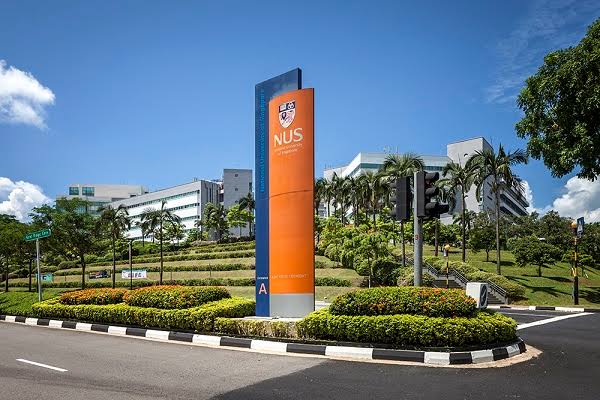
National University of Singapore: A Simple Guide for Students Thinking of Applying
Singapore has become one of the top study destinations in Asia. The National University of Singapore, often called NUS, sits at the center of that reputation. This guide explains admissions, real costs, and scholarships, in plain and simple language.
What Is NUS?
NUS is a public university in Singapore, a small, highly developed city state in Southeast Asia. It was founded in 1905, making it one of the oldest universities in the region.
NUS consistently ranks as the top university in Asia and among the best in the world. Singapore itself is known for safety, cleanliness, and a genuinely multicultural population, which makes the adjustment easier for many international students compared to some other destinations.
How Much Will You Actually Pay?
International tuition at NUS varies by program. Programs like medicine or engineering often cost more than humanities or social science programs. Always check the current fees for your specific program directly on NUS’s website, since prices change each year.
NUS offers real scholarships for international students. The NUS Global Merit Scholarship covers full tuition and provides a living allowance for outstanding international students. Singapore’s government also offers a Tuition Grant Scheme, which reduces fees significantly for eligible international students, though it usually comes with a work commitment in Singapore or with a Singapore based company after graduation.
Compared to many Western countries, Singapore’s overall cost of living can actually be manageable, especially with campus housing, though this varies depending on your specific lifestyle and program.
How Does Admissions Work?
NUS uses its own online application system. You apply directly through the university’s own portal, separate from the Common Application used by many US schools.
Admission requirements depend on your intended program. Competitive programs, like medicine or computer science, require stronger grades in specific subjects. Always check the exact requirements for your intended program before applying.
A few things that help your application:
Strong grades in subjects directly related to your intended program matter most. NUS values well rounded students, so genuine involvement in activities outside academics helps your application. Some programs require additional tests or interviews, particularly competitive fields like medicine.
Deadlines for international applicants often come earlier than deadlines for local Singapore students. Check the specific international application timeline carefully, since missing it can mean waiting a full year to reapply.
What Will You Study?
NUS offers a wide range of programs across engineering, computer science, business, medicine, law, and the arts and social sciences. The university is particularly well known internationally for engineering, computer science, and business programs.
NUS has strong ties to Singapore’s technology and business sectors, given the country’s position as a major hub for both industries in Asia. Many students find real internship and research opportunities connected directly to companies operating in Singapore.
Class sizes vary by program, with larger lectures in introductory courses and smaller, more focused classes as you move into specialized upper level coursework.
What Is Campus Life Like?
NUS has a large, modern campus with strong facilities, including sports centers, libraries, and student housing. Singapore’s efficient public transport system makes it easy to explore the wider city beyond campus too.
Singapore’s location in Southeast Asia gives students easy access to travel across the wider region during breaks, something many international students take advantage of during their time there.
The climate in Singapore stays warm and humid year round, which is actually a smaller adjustment for Kenyan students compared to the cold winters common in the US, UK, or Canada.
What Happens After Graduation?
NUS graduates are well regarded by employers across Asia and internationally, particularly in technology, finance, and engineering. Singapore’s position as a major global business hub gives students real access to major international companies with offices there.
Singapore does offer work pass options for graduates, though these depend on specific job offers and salary thresholds that can change. Research current work pass requirements directly through Singapore’s Ministry of Manpower before assuming what options will be available to you after graduation.
Advice for Kenyan Students
If you are applying from Kenya, keep these points in mind.
Research the NUS Global Merit Scholarship and Tuition Grant Scheme early, since both can significantly reduce your costs if you qualify.
Your KCSE results will be evaluated fairly by NUS’s admissions team, who assess applicants from many different education systems across the world.
Singapore’s warm climate means less adjustment in that specific area compared to studying in colder countries, which is worth factoring into your overall comparison of destinations.
Research current work pass rules directly if staying in Singapore after graduation matters to you, since these requirements can shift and depend on your specific field and job offer.
Conclusion
The National University of Singapore combines top global rankings with a genuinely different regional experience than studying in the US, UK, or Europe. Its scholarships, strong ties to Asia’s technology and business sectors, and warmer climate make it a compelling option worth serious research. Look closely at the Tuition Grant Scheme and Global Merit Scholarship, prepare a strong application well before international deadlines, and research Singapore’s work pass system if staying after graduation is part of your plan.
Frequently Asked Questions
Is NUS considered one of the top universities in the world? Yes. NUS consistently ranks as the top university in Asia and appears among the best universities globally across several major ranking systems.
Does the Tuition Grant Scheme require me to work in Singapore after graduation? Often yes, typically requiring a work commitment in Singapore or with a Singapore based company for a set period after graduation. Always check the current specific terms before applying.
Is Singapore expensive to live in as a student? It can be, but campus housing and careful budgeting make it manageable for many students. Overall costs are often comparable to or lower than major cities in the US or UK.
Does NUS require the SAT or ACT? Requirements vary by program and applicant background. Always check the current admissions requirements for international applicants directly on NUS’s website.
Check or Visit the school official website: National University of Singapore Admissions
Leave a Reply