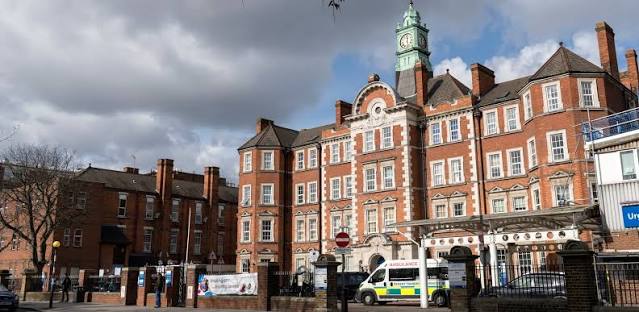
Imperial College London: A Simple Guide for Students Thinking of Applying
Imperial College London focuses entirely on science, engineering, medicine, and business. It consistently ranks among the top universities in the world for these specific fields. This guide explains admissions, real costs, and student life, in plain and simple language.
What Is Imperial College London?
Imperial is a public university in London, England, in the United Kingdom. It began as part of the University of London and became an independent university in 2007. It does not teach humanities or social sciences in the way most other top universities do, since its entire focus stays on science, engineering, medicine, and business.
Imperial consistently ranks among the top five universities in the world for engineering and technology fields. Its location in central London gives students direct access to one of the world’s biggest cities, alongside major research institutions and companies nearby.
How Much Will You Actually Pay?
International tuition at Imperial varies by program, with laboratory and clinical programs like medicine and engineering typically costing more than other technical fields. Always check the current fees for your specific program directly on Imperial’s website, since prices change each year.
Imperial offers scholarships for international students, including the President’s Scholarship, which covers significant costs for outstanding applicants. Various department specific scholarships also exist, particularly in engineering and science fields, though funding remains competitive given high demand from applicants worldwide.
London’s cost of living ranks among the highest in the world, so budget realistically for accommodation and daily expenses, which will likely exceed your tuition costs depending on your specific program and lifestyle.
How Does Admissions Work?
Imperial applications go through UCAS, the UK’s central application system, the same system used for Oxford and Cambridge applications. You apply to Imperial as one of your UCAS choices, alongside up to four other UK universities.
Admission is highly competitive, particularly for medicine and popular engineering programs. Many courses require specific subject combinations at the equivalent of UK A Level, so research the exact subject requirements for your intended program carefully.
A few things that help your application:
Exceptionally strong grades in mathematics and science subjects matter enormously across nearly every Imperial program. Some competitive programs, particularly medicine, require additional admissions tests alongside your academic qualifications. Genuine, specific interest in your chosen field, demonstrated through real projects or activities, strengthens your personal statement significantly.
UCAS deadlines come earlier than many students expect, often in January for most courses, though medicine typically requires an earlier October deadline. Mark these dates clearly well in advance.
What Will You Study?
Imperial offers programs exclusively in science, engineering, medicine, and business, including specific fields like aeronautical engineering, computing, physics, chemistry, and biomedical sciences. This focused range means every student on campus shares a broadly technical academic culture.
The teaching style combines lectures with substantial laboratory and practical work, reflecting Imperial’s hands on approach to technical education. Many programs include industry placement years, giving students real work experience integrated directly into their degree structure.
Research output at Imperial ranks among the strongest in the world for its focus areas, with genuine opportunities for undergraduates to engage with cutting edge research, particularly in later years of study.
What Is Campus Life Like?
Imperial’s main campus sits in South Kensington, central London, surrounded by major museums and cultural institutions. Students have direct access to everything London offers, alongside a tightly knit campus community built around shared technical interests.
Housing is available on campus for many first year students, with private accommodation options common for later years, reflecting London’s expensive but extensive housing market. Imperial has an active student union with numerous clubs and societies, despite its smaller size compared to broader universities like UCL or King’s College London.
England’s weather, cool and often rainy, requires real adjustment for students coming from Kenya’s warmer climate, so prepare accordingly before you arrive.
What Happens After Graduation?
Imperial graduates are highly sought after by employers in engineering, technology, finance, and consulting, particularly given the university’s strong reputation and London location. Many major companies recruit directly from Imperial’s talent pool.
The UK’s Graduate Route visa allows international graduates to stay and work for two years after an undergraduate or master’s degree, or three years after a PhD, giving genuine time to build UK work experience after finishing your studies.
Advice for Kenyan Students
If you are applying from Kenya, keep these points in mind.
Research the President’s Scholarship and department specific funding early, since competition for these is genuinely high and early preparation helps.
Confirm the exact subject requirements for your intended program, since Imperial’s technical focus means specific mathematics and science prerequisites matter significantly more here than at broader universities.
Budget honestly for London’s high cost of living, which will likely represent a larger expense than tuition itself depending on your program and lifestyle.
Mark UCAS deadlines clearly, particularly if applying for medicine, since this requires an earlier submission than most other programs.
Conclusion
Imperial College London offers one of the world’s strongest technical educations, concentrated entirely in science, engineering, medicine, and business. Its central London location provides genuine career advantages alongside a demanding, focused academic culture. If you have strong mathematics and science ability and want deep technical training in a major global city, Imperial deserves serious research. Confirm your program’s specific subject requirements early, research available scholarships, and budget realistically for London’s cost of living.
Frequently Asked Questions
Does Imperial College London offer humanities or social science programs? No. Imperial focuses exclusively on science, engineering, medicine, and business, unlike broader universities that offer a full range of subjects.
Is Imperial as prestigious as Oxford or Cambridge? Yes, particularly in its focus areas. Imperial consistently ranks among the top universities globally for engineering and technology, often placing above even Oxford and Cambridge in specific technical subject rankings.
Can I apply to Imperial alongside Oxford or Cambridge? Yes. Unlike the Oxford and Cambridge restriction against applying to both, you can include Imperial alongside Oxford or Cambridge among your UCAS choices.
Is London expensive for students? Yes, genuinely. London’s cost of living ranks among the highest in the world, so budget carefully for accommodation and daily expenses beyond tuition itself.
Check or Visit the school official website: Imperial College London Admissions
Leave a Reply