McGill University: A Simple Guide for Students Thinking of Applying
McGill sits among Canada’s top three universities, alongside Toronto and UBC. It has a distinctly international reputation. This guide explains admissions, real costs, and student life. It uses plain, simple language throughout.
What Is McGill?
McGill is a public university in Montreal, Canada. The university was founded in 1821. It ranks as one of Canada’s oldest and most respected institutions.
McGill consistently places among the top universities in Canada and the world. Montreal itself offers a unique bilingual culture, blending English and French influences. Many students find this mix genuinely enriching, even without French fluency.
How Much Will You Actually Pay?
International tuition at McGill varies by program. Engineering, business, and science programs typically cost more than arts or social science programs. Check the current fees for your specific program directly on McGill’s website. Prices change each year.
McGill offers real scholarships for international students. The McGill Scholarship for International Students provides significant funding for outstanding applicants, awarded automatically based on your application. No separate application is needed. Additional entrance scholarships exist across specific faculties too.
Montreal’s cost of living runs notably lower than Toronto or Vancouver. This makes McGill a genuinely affordable option among Canada’s top universities, even before scholarships apply.
How Does Admissions Work?
McGill uses its own online application system. You apply directly through McGill’s admissions portal, separate from the Common Application used by many US schools.
Admission requirements depend on your intended program. Competitive programs like medicine and engineering require stronger grades in specific subjects. Always check the exact requirements for your intended program before applying.
A few things that help your application:
Strong grades in subjects related to your intended program matter most. McGill reviews your full academic record, so consistent performance across your studies strengthens your application. Applying early improves your chances, since some scholarships consider your submission timing.
McGill teaches most programs in English, despite Montreal’s bilingual environment. Confirm your specific program’s language of instruction before applying, since a small number of specialized programs may differ.
What Will You Study?
McGill offers programs across medicine, law, engineering, business, arts, and sciences. The university holds a particularly strong reputation in medicine, law, and life sciences, with a long research history in these fields.
McGill’s academic structure gives students real flexibility. Many students explore multiple subjects before declaring a specific major, similar to broader liberal arts flexibility found at some US universities.
Research output at McGill ranks among the strongest in Canada. Many undergraduates find genuine opportunities to join active research projects, particularly in medicine and life sciences.
What Is Campus Life Like?
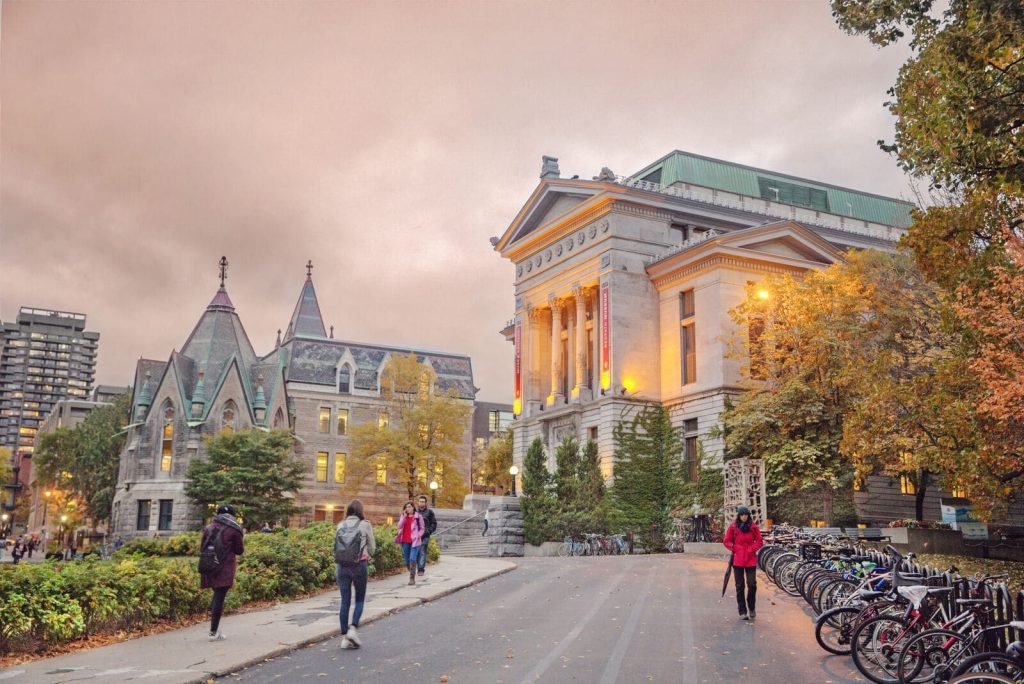
McGill’s downtown Montreal campus sits at the base of Mount Royal, blending historic buildings with a genuinely vibrant city location. Students get direct access to Montreal’s culture, food, and music scene throughout the year.
Housing includes university residences for many first year students. Private housing options become common in later years, aided by Montreal’s relatively affordable rental market compared to other major Canadian cities.
Montreal experiences real winters, with significant snow and cold temperatures for several months. This marks a genuine adjustment for students coming from Kenya’s warmer climate. Proper winter clothing becomes essential.
What Happens After Graduation?
McGill graduates find strong opportunities across medicine, law, finance, and research fields. The university’s global reputation opens doors across many countries, not just Canada.
Canada’s Post Graduation Work Permit lets international graduates work in the country for up to three years after finishing their studies. Canada’s points based immigration system also offers genuine pathways toward permanent residency for graduates who want to stay longer term.
Advice for Kenyan Students
Keep these points in mind if you plan to apply from Kenya.
Apply early to strengthen your chances for automatic scholarship consideration through the McGill Scholarship for International Students.
McGill evaluates your KCSE results fairly. The admissions team has real experience assessing many different education systems worldwide.
Montreal’s lower cost of living compared to Toronto or Vancouver makes McGill a genuinely practical choice among Canada’s top universities.
Prepare realistically for Montreal’s cold winters. This adjustment requires real planning, including proper clothing, well before you arrive.
Conclusion
McGill combines a globally respected academic reputation with genuinely lower living costs than Canada’s other top cities. Its automatic scholarship consideration for international students adds real value beyond the degree itself. Getting in remains competitive, and Montreal’s winters demand real preparation. Strong students should give McGill serious consideration alongside Toronto and UBC. Apply early, confirm your program’s specific requirements, and research Montreal’s cost of living honestly.
Frequently Asked Questions
Do I need to speak French to study at McGill? No. McGill teaches most programs in English, despite Montreal’s bilingual culture. A small number of specialized programs may differ, so confirm your specific program’s language of instruction.
Is Montreal cheaper than Toronto or Vancouver? Yes, generally. Montreal’s cost of living runs notably lower than Canada’s other major cities, which reduces your overall budget alongside tuition.
Do I need to apply separately for McGill’s international scholarship? No. The McGill Scholarship for International Students gets awarded automatically based on your complete application, with no separate scholarship application required.
Can international graduates work in Canada after finishing at McGill? Yes. Canada’s Post Graduation Work Permit allows many international graduates to work in the country for up to three years after completing their studies.
Check or Visit the school official website: McGill University Admissions
Leave a Reply