UC Berkeley: A Simple Guide for Students Thinking of Applying
UC Berkeley is one of the most searched universities in the world, and one of the very few public universities that consistently ranks alongside private giants like Harvard and Stanford. This guide explains admissions, real costs, and student life, in plain and simple language.
What Is UC Berkeley?
UC Berkeley is a public university in Berkeley, California, in the United States. It was founded in 1868 as the first campus of the University of California system. Many people simply call it Berkeley or Cal.
Berkeley consistently ranks as one of the top public universities in the world, often placing above many private universities in specific subject rankings, particularly in engineering, computer science, and the sciences. Its location near San Francisco puts it close to Silicon Valley, similar to Stanford, though the two universities have very different cultures and histories.
How Much Will You Actually Pay?
Berkeley is a public university, which means its funding structure differs from private schools like Harvard or Stanford. International students pay a specific non resident tuition rate, which tends to be lower than tuition at top private universities, though still a genuine expense to plan for carefully.
Berkeley is not need blind for international students in the same way some private universities are. Financial need can be a factor in international admissions decisions, so understanding this distinction matters when comparing Berkeley against need blind private schools.
Some scholarships exist specifically for international students, though funding is more limited than at wealthier private universities with massive endowments. Research current scholarship options directly through Berkeley’s financial aid office, since availability shifts.
How Does Admissions Work?
Berkeley uses the University of California’s own application system, called the UC Application, separate from the Common Application used by many other US schools. This means if you are applying to multiple UC campuses, like Berkeley, UCLA, or San Diego, you use one shared application system.
Admission is highly competitive, with acceptance rates among the lowest of any public university in the country. Academic performance carries significant weight, alongside personal insight questions that ask about your background, challenges, and goals.
A few things that help your application:
Strong grades, particularly in subjects related to your intended major, matter enormously at Berkeley. The personal insight questions ask you to reflect honestly on your experiences, so genuine, specific answers work better than generic responses. Demonstrated depth in a smaller number of activities tends to stand out more than a long, thin list of involvements.
Testing requirements have shifted in recent years across the UC system. Always check Berkeley’s current policy directly before applying, since this changes.
What Will You Study?
Berkeley offers an enormous range of programs across engineering, computer science, business, natural sciences, humanities, and social sciences. It is particularly renowned for computer science, engineering, and its strong research output across nearly every field.
Class sizes at Berkeley can be large, especially in popular introductory courses, reflecting its substantial student population as a major public university. Smaller seminar style classes become more common in upper level and specialized coursework.
Research opportunities are genuinely strong here, given Berkeley’s status as one of the world’s leading research universities. Many undergraduates find real opportunities to join ongoing research projects, particularly in the sciences and engineering.
What Is Campus Life Like?
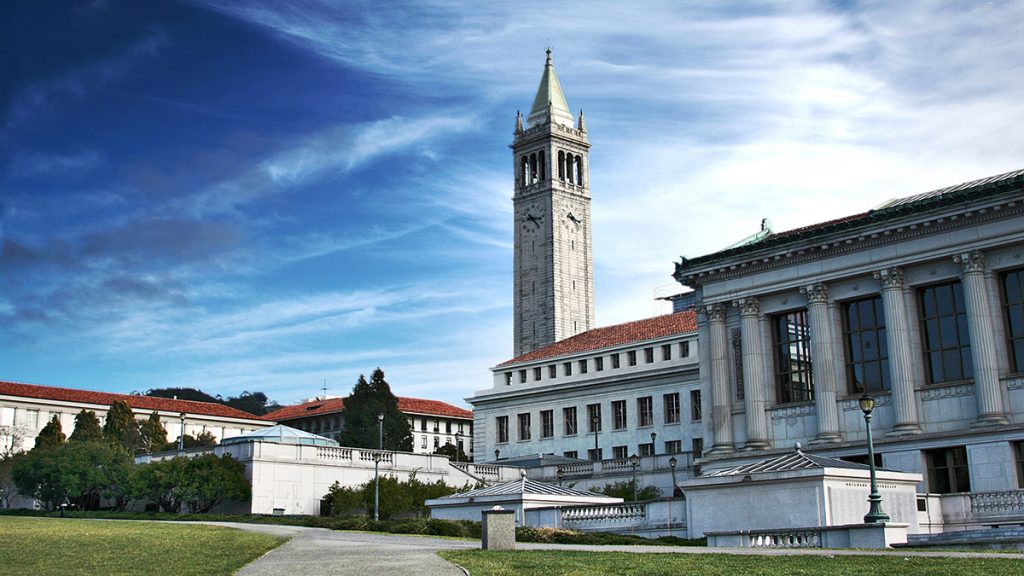
Berkeley’s campus sits at the edge of the city of Berkeley, with the iconic Sather Tower, known as the Campanile, visible across much of the area. The campus has a long, well known history of student activism and political engagement, dating back decades.
Housing includes on campus dormitories for many first year students, with many upperclass students moving into off campus housing in the surrounding area as they progress through their degree. The city itself offers a mix of college town energy alongside proximity to San Francisco and the wider Bay Area.
California’s mild climate makes the adjustment easier for students coming from Kenya’s warmer weather, compared to universities in colder parts of the US.
What Happens After Graduation?
Berkeley graduates are highly sought after across technology, engineering, finance, and research careers. Its location near Silicon Valley gives students real access to major tech companies and startups, similar to the advantage Stanford offers, though Berkeley’s public university identity and size create a different overall recruiting dynamic.
Even with Berkeley’s strong reputation, your own effort still shapes your outcomes significantly. Internships, personal projects, and specific skills matter just as much as the university’s name on your diploma.
Advice for Kenyan Students
If you are applying from Kenya, keep these points in mind.
Understand that Berkeley is not need blind in the same way some private universities are, so research financial aid realistically rather than assuming the same policies apply as at schools like Harvard or Princeton.
Your KCSE results will be evaluated fairly by Berkeley’s admissions team, who assess applicants from many different education systems worldwide.
Write genuine, specific answers to the personal insight questions, since these carry real weight in Berkeley’s evaluation process.
Research current international scholarship options directly, since Berkeley’s funding for international students works differently than at wealthier private universities with larger endowments.
Conclusion
UC Berkeley offers a rare combination, a public university that competes directly with the world’s best private schools in academic reputation and research output. Its lower relative cost compared to top private universities makes it worth serious consideration, though the admissions process remains genuinely competitive and financial aid works differently than at need blind private schools. Research your specific program, write honest and specific personal insight responses, and look into current scholarship options realistically before applying.
Frequently Asked Questions
Is UC Berkeley considered as prestigious as Harvard or Stanford? Yes, in many respects. Berkeley consistently ranks among the top universities globally, and in specific fields like computer science and engineering, it often ranks above many private universities.
Is Berkeley need blind for international students? No, not in the same way as some private universities. Financial need can be a factor in international admissions decisions, so research this distinction carefully.
Does Berkeley use the Common Application? No. Berkeley uses the University of California’s own application system, shared across all UC campuses.
Is Berkeley cheaper than private universities like Harvard or Stanford? Tuition itself is often lower, though without the same guaranteed need blind financial aid that some wealthy private universities offer. Research your realistic total cost carefully before comparing.
Check or Visit the school official website: UC Berkeley Admissions
Leave a Reply