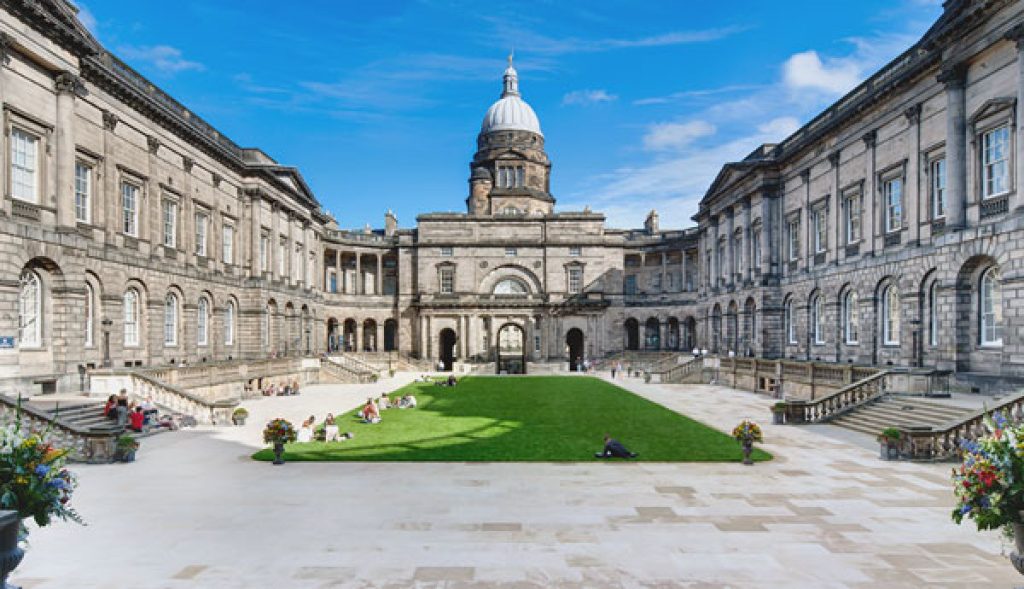
University of Edinburgh: A Simple Guide for Students Thinking of Applying
Edinburgh ranks among the top universities in the UK. It sits outside the more crowded Oxford and Cambridge conversation, but employers respect it just as much in many fields. This guide breaks down admissions, real costs, and student life. It uses plain, simple language throughout.
What Is the University of Edinburgh?
Edinburgh is a public university in Edinburgh, Scotland. The university was founded in 1583. It ranks as one of the oldest universities in the English speaking world.
Edinburgh consistently places among the top universities in the UK and the world. The city itself blends historic architecture with a lively, modern student population. Many students choose Edinburgh specifically for this mix of history and energy.
How Much Will You Actually Pay?
International tuition at Edinburgh varies by program. Science and medicine programs typically cost more than humanities or social science programs. Check the current fees for your specific program directly on Edinburgh’s website. Prices change each year.
Edinburgh offers real scholarships for international students. The Edinburgh Global Undergraduate Scholarship reduces tuition for eligible high achieving applicants. Various college specific scholarships also exist. Research these directly through Edinburgh’s scholarships database, since new options appear regularly.
Scotland’s cost of living tends to run lower than London’s. This makes Edinburgh a genuinely more affordable UK option once you factor in daily living costs alongside tuition.
How Does Admissions Work?
Edinburgh applications go through UCAS, the UK’s central application system. You apply to Edinburgh as one of your UCAS choices, alongside up to four other UK universities.
Admission requirements depend on your intended program. Competitive programs like medicine and law require stronger grades in specific subjects. Always check the exact requirements for your intended program before applying.
A few things that help your application:
Strong grades in subjects related to your intended program carry real weight. A clear, genuine personal statement explaining your interest strengthens your application significantly. Some competitive programs require additional tests or interviews. Medicine and veterinary science are common examples.
UCAS deadlines come earlier than many students expect. Most courses close in January, though medicine requires an October deadline. Mark these dates early.
What Will You Study?
Edinburgh offers programs across nearly every field, including medicine, law, business, engineering, social sciences, and the arts. The university holds a particularly strong reputation in medicine, informatics, and social sciences.
Many Edinburgh degrees run for four years rather than three, following the Scottish education system’s structure. This gives students extra time to explore subjects before fully specializing, similar to some flexibility found in US style education.
Research output at Edinburgh ranks among the strongest in the UK. Many undergraduates find real opportunities to join ongoing research, particularly in later years of study.
What Is Campus Life Like?
Edinburgh’s campus spreads across the city center, blending historic buildings with modern facilities. Students get direct access to the city’s festivals, museums, and cultural events throughout the year, including the famous Edinburgh Festival Fringe each August.
Housing includes university accommodation for many first year students. Private housing options become more common in later years. Edinburgh has an active international student community, including a solid presence of African students specifically.
Scotland’s weather stays cool and often rainy for much of the year. Winters bring real cold and shorter daylight hours. This is a genuine adjustment for students coming from Kenya’s warmer climate.
What Happens After Graduation?
Edinburgh graduates find strong opportunities across law, finance, medicine, technology, and research. Many major UK and international companies actively recruit from Edinburgh specifically.
The UK’s Graduate Route visa lets international graduates stay and work for two years after finishing an undergraduate or master’s degree. PhD graduates get three years. This gives genuine time to build UK work experience after your studies end.
Advice for Kenyan Students
Keep these points in mind if you plan to apply from Kenya.
Research Edinburgh’s scholarship database early. Several options exist specifically for high achieving international students.
Edinburgh evaluates your KCSE results fairly. The admissions team has real experience assessing many different education systems.
Scotland’s lower cost of living compared to London makes Edinburgh a genuinely practical UK option worth serious comparison.
Prepare realistically for Scotland’s cold, often rainy winters. This adjustment matters more than many students expect before arriving.
Conclusion
Edinburgh combines centuries of academic tradition with a genuinely livable, culturally rich city. Its lower cost of living compared to London gives it a real practical edge among UK options. Getting in remains competitive, and Scotland’s weather demands real preparation. Strong students with clear academic goals should give Edinburgh serious consideration. Research your specific program’s requirements early, and apply through UCAS well before the January deadline.
Frequently Asked Questions
Is Edinburgh cheaper than studying in London? Yes, generally. Scotland’s overall cost of living runs lower than London’s, which reduces your total budget beyond tuition itself.
How long do Edinburgh degrees typically take? Many run four years rather than three, following Scotland’s education system. This gives extra time to explore subjects before specializing fully.
Does Edinburgh require the SAT or ACT? No. Edinburgh evaluates applicants based on their national qualifications, including KCSE results for Kenyan students, alongside the standard UCAS application.
Can international graduates work in the UK after finishing at Edinburgh? Yes. The Graduate Route visa allows international graduates to work in the UK for two years after an undergraduate or master’s degree, or three years after a PhD.
Check or Visit the school official website: University of Edinburgh Admissions
Leave a Reply