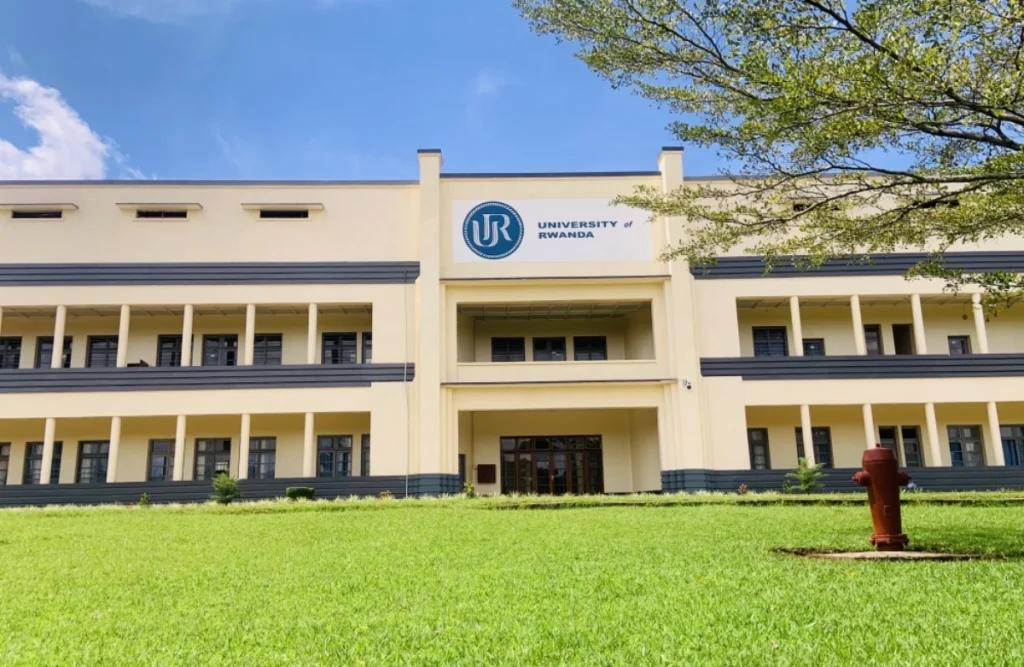
University of Rwanda: A Simple Guide for Students Thinking of Applying
Rwanda has built a genuine reputation for safety, cleanliness, and fast development in East Africa. The University of Rwanda sits at the center of the country’s growing higher education system. This guide explains admissions, real costs, and student life. It uses plain, simple language throughout.
What Is the University of Rwanda?
The University of Rwanda is a public university with campuses across the country, including Kigali, Huye, and other locations. The government formed it in 2013 by merging several existing public institutions into one unified university system. This makes it Rwanda’s largest and most comprehensive university.
The university offers Kenyan students a genuinely close East African option. Kigali, Rwanda’s capital, has earned recognition as one of Africa’s cleanest and safest cities, which many students and parents find reassuring.
How Much Will You Actually Pay?
The University of Rwanda costs significantly less than studying in North America, Europe, or Australia. It also compares favorably against many private options within East Africa itself.
International students, including Kenyans, pay a specific fee structure that differs from Rwandan students. This remains genuinely competitive compared to most international study destinations. Research current fees directly through the university’s international office, since specific program costs vary.
Kigali’s cost of living stays manageable compared to major Western cities. This helps keep your overall budget realistic alongside tuition costs.
How Does Admissions Work?
The University of Rwanda runs its own application process for international students, separate from Kenya’s KUCCPS system. You apply directly through the university’s admissions office or its online portal.
Admission requirements depend on your intended program and academic background. The university has real experience evaluating students from various East African education systems, including Kenya’s KCSE curriculum, given the region’s close ties and student movement between countries.
A few things that matter for your application:
Strong grades in subjects related to your intended program carry real weight, similar to most university admissions processes. English serves as one of Rwanda’s official languages alongside Kinyarwanda and French, and many university programs teach in English specifically. Meeting application deadlines early improves your chances, particularly for competitive programs like medicine or engineering.
Confirm the specific language of instruction for your intended program before applying. Some programs may still use French in certain contexts, given Rwanda’s educational history.
What Will You Study?
The University of Rwanda offers programs across medicine, engineering, agriculture, business, education, and the arts and social sciences. It holds particular strength in agriculture and health sciences, reflecting Rwanda’s national development priorities.
The university’s structure spans multiple campuses, each focused on different colleges and specializations. This means your specific campus location depends heavily on your chosen field of study.
Rwanda’s rapid national development, particularly in technology and innovation, creates real opportunities for students in fields tied to the country’s growth priorities, including agriculture, health, and increasingly technology.
What Is Campus Life Like?
University of Rwanda campuses vary significantly by location, from Kigali’s urban energy to Huye’s quieter, more traditional university town atmosphere. Rwanda’s reputation for safety and cleanliness extends across most of the country, not just the capital.
Housing options include university accommodation and private housing near campus, depending on your specific location. Rwanda’s relatively small size makes travel between cities manageable, letting students explore the wider country during breaks.
Rwanda’s climate stays temperate and pleasant year round, given its higher elevation. Many Kenyan students find this climate genuinely comfortable, with minimal adjustment needed compared to Kenya’s own varied climate zones.
What Happens After Graduation?
University of Rwanda graduates find opportunities across Rwanda’s growing economy, particularly in government, agriculture, health, and increasingly technology sectors. Rwanda’s rapid development creates real demand for skilled graduates across many fields.
For students interested in East African regional work, a University of Rwanda degree offers genuine local recognition and networking advantages within the region, alongside firsthand experience of one of Africa’s fastest developing economies.
Advice for Kenyan Students
Keep these points in mind if you plan to apply from Kenya.
Compare the total cost honestly against other East African and international options, since Rwanda offers a genuinely competitive regional choice.
Confirm your specific program’s language of instruction early, given Rwanda’s multilingual educational history.
Rwanda’s temperate climate and geographic proximity to Kenya mean minimal adjustment compared to studying further away.
Consider your career goals specifically. If regional East African work interests you, Rwanda’s rapid development and Kigali’s growing business hub status offer genuine advantages.
Conclusion
The University of Rwanda offers Kenyan students a genuinely practical East African option, combining affordability, geographic closeness, and firsthand exposure to one of the continent’s fastest developing economies. Its strength in agriculture, health sciences, and growing technology programs makes it worth serious consideration, particularly for students interested in regional development work. Research your specific program’s language requirements early, compare costs honestly against your alternatives, and consider how Rwanda’s rapid growth might align with your own career interests.
Frequently Asked Questions
Is the University of Rwanda recognized outside Rwanda? Yes. It carries growing recognition across East Africa, supported by Rwanda’s rising international reputation for development and stability.
What language does the University of Rwanda teach in? Many programs teach in English, one of Rwanda’s official languages. Some programs may still involve French, given the country’s educational history, so confirm this for your specific program.
Is Rwanda safe for international students? Yes. Rwanda holds a strong reputation for safety and cleanliness, particularly in Kigali, which many students and families find genuinely reassuring.
What is the University of Rwanda particularly known for? It holds particular strength in agriculture, health sciences, and programs tied to Rwanda’s national development priorities, alongside standard offerings in business, education, and engineering.
Check or Visit the school official website: University of Rwanda Admissions
Leave a Reply