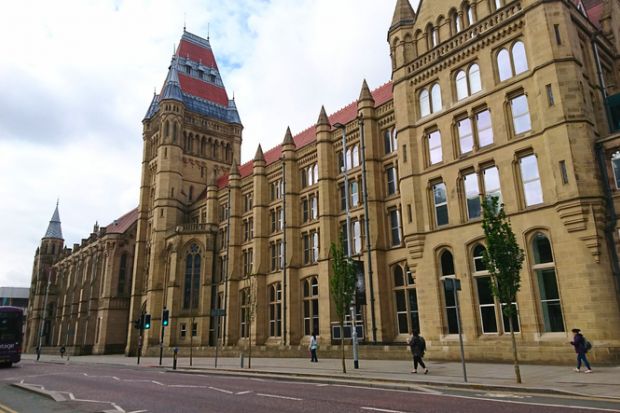
University of Manchester: A Simple Guide for Students Thinking of Applying
University of Manchester admissions attract one of the largest international student populations of any UK university, drawing applicants from every part of the world. Many applicants search specifically for the application fee, tuition fee structure, and real cost of studying there before applying, so this guide covers all three clearly, alongside admissions and student life.
What Is the University of Manchester?
Manchester is a public university in Manchester, England, in the United Kingdom. The university formed in 2004 through the merger of two older institutions, though its academic roots trace back to 1824. It ranks among the largest and most respected universities in the UK.
Manchester itself is one of England’s biggest cities outside London, known for its strong music scene, football culture, and growing technology industry. Students get access to a genuinely major city without London’s extreme cost of living.
University of Manchester Application Fee and Tuition Costs
Many applicants specifically search for the University of Manchester application fee before applying. Manchester does not charge a general application fee for most undergraduate courses applied to through UCAS, since UCAS itself charges a small standard fee shared across all your UK university choices, not a separate fee per university.
Tuition fee structure varies significantly by program. Laboratory based science and medicine programs typically cost more than humanities or social science programs. Always check the current fees for your specific program directly on Manchester’s website, since prices change each year and vary depending on your home country.
Manchester offers real scholarships for international students, including the Manchester Means Scholarship and various faculty specific awards. Research current options directly through Manchester’s scholarships database, since new opportunities appear regularly.
How Does Admissions Work?
Manchester applications go through UCAS, the UK’s central application system, used by students applying from any country. You apply to Manchester as one of your UCAS choices, alongside up to four other UK universities.
A few things that help your University of Manchester admissions application:
Strong grades in subjects related to your intended program carry real weight, with specific requirements varying by course. A clear, genuine personal statement explaining your interest strengthens your application significantly. Some competitive programs, particularly medicine and law, require additional tests or documentation.
UCAS deadlines come earlier than many students expect, typically in January for most courses. Mark this date clearly well in advance, whichever country you are applying from.
What Will You Study?
Manchester offers programs across nearly every major field, including engineering, medicine, business, computer science, and the arts and humanities. The university holds a particularly strong reputation in engineering, business, and social sciences.
Manchester’s academic structure combines large lectures with smaller seminar groups, giving students genuine direct interaction with faculty as they progress through their degree.
Research output at Manchester ranks among the strongest in the UK, with genuine opportunities for undergraduates to engage with active research, particularly in later years of study.
What Is Campus Life Like?
Manchester’s campus sits close to the city center, giving students direct access to the city’s culture, music venues, and social scene throughout the year. The university has one of the largest student unions in Europe, reflecting its substantial and genuinely international student population.
Housing includes university accommodation for many first year students, with private housing common in later years. Manchester’s cost of living runs notably lower than London, making it a genuinely more affordable UK option once you factor in daily expenses alongside tuition.
England’s weather stays cool and often rainy for much of the year. This marks a real adjustment for students coming from warmer climates, though a smaller one for students already used to temperate weather.
What Happens After Graduation?
Manchester graduates find strong opportunities across engineering, business, technology, and research fields. Many major UK and international companies actively recruit from Manchester specifically, given its size and reputation.
The UK’s Graduate Route visa lets international graduates stay and work for two years after finishing an undergraduate or master’s degree. PhD graduates get three years, giving genuine time to build UK work experience regardless of where you originally came from.
Advice for International Students
If you are applying to Manchester from anywhere in the world, keep these points in mind.
Research Manchester’s scholarship database early, since several options exist specifically for high achieving international students from a wide range of countries.
Manchester evaluates your academic results fairly, whatever national curriculum or grading system your school used, with admissions staff experienced in assessing many different education systems worldwide.
Manchester’s lower cost of living compared to London makes it a genuinely practical UK option worth serious comparison against other cities.
Confirm the specific tuition fee structure for your intended program directly, since costs vary significantly between courses and depend on your specific fee status.
Conclusion
University of Manchester admissions offer access to one of the UK’s largest and most well rounded universities, combined with a genuinely lower cost of living than London. Its scholarship options for international students and strong reputation across nearly every field make it worth serious research, wherever in the world you are applying from. Confirm your specific program’s tuition fee structure early, apply through UCAS well before the January deadline, and research available scholarships before assuming the sticker price reflects your real cost.
Frequently Asked Questions
Is there a separate University of Manchester application fee? No separate fee applies for most undergraduate courses beyond the standard UCAS application fee, which covers all your UK university choices together, not a per university charge.
Is Manchester cheaper than studying in London? Yes, generally. Manchester’s cost of living runs notably lower than London’s, which reduces your total budget beyond tuition itself.
Does Manchester require the SAT or ACT? No. Manchester evaluates applicants based on their national qualifications, whatever curriculum you studied, alongside the standard UCAS application.
Can international graduates work in the UK after finishing at Manchester? Yes. The Graduate Route visa allows international graduates to work in the UK for two years after an undergraduate or master’s degree, or three years after a PhD, regardless of nationality.
Check or Visit the school official website: University of Manchester Admissions
Want to compare Manchester with other UK universities? Browse our other Universities guides, or check Scholarships for more funding options.
Leave a Reply