KAIST: A Simple Guide for Students Thinking of Applying
KAIST admissions draw students from across the world for one major reason, genuinely full scholarships that cover both tuition and living costs for the vast majority of students, including nearly all international applicants. This guide breaks down admissions, real costs, and student life for international students everywhere considering South Korea.
What Is KAIST?
KAIST stands for the Korea Advanced Institute of Science and Technology. It is a public university in Daejeon, South Korea, founded in 1971 specifically to build the country’s scientific and technological capacity. It now ranks among the top universities in Asia and the world for science and engineering.
South Korea has become a genuine global leader in technology, and KAIST sits at the center of that story, closely connected to major companies and a fast moving innovation culture across the country.
KAIST Application Fee and Tuition Costs
Many applicants specifically search for the KAIST application fee before applying. KAIST charges a modest, standard application fee for international undergraduate applications, payable when you submit your application online.
Tuition fee structure at KAIST works differently from most universities. The vast majority of undergraduate students, both Korean and international, receive scholarships that cover full tuition. Many students also receive a monthly living stipend, meaning the real cost of studying at KAIST is often dramatically lower than the sticker price at comparable universities elsewhere in the world.
This scholarship structure applies broadly, not as a competitive rare award, which makes KAIST one of the most genuinely accessible top ranked universities globally for students who qualify academically, regardless of financial background.
How Does Admissions Work?
KAIST uses its own online application system for international students, separate from application systems used in the US, UK, or elsewhere. You apply directly through KAIST’s international admissions portal.
A few things that help your KAIST admissions application:
Exceptionally strong grades in mathematics and science subjects carry enormous weight, since KAIST’s entire academic culture centers on technical rigor. Evidence of genuine initiative, such as personal projects, competitions, or research experience, strengthens your application significantly. Most programs are taught in English, so strong English proficiency matters, though some Korean language ability helps with daily life outside the classroom.
International qualifications are evaluated against KAIST’s own entry standards. Confirm the exact requirements for your specific national curriculum directly on KAIST’s international admissions pages, since this varies by country.
What Will You Study?
KAIST focuses almost entirely on science, engineering, technology, and business fields connected to innovation, rather than offering the broad humanities range found at many other top universities. Specific strengths include computer science, electrical engineering, mechanical engineering, and increasingly artificial intelligence and robotics.
Most undergraduate courses are taught in English specifically to accommodate KAIST’s genuinely international student population, though Korean language courses are typically available for students who want to build local language skills alongside their studies.
Research output at KAIST ranks among the strongest in Asia, with substantial opportunities for undergraduates to join active research projects, particularly given South Korea’s significant investment in technology research.
What Is Campus Life Like?
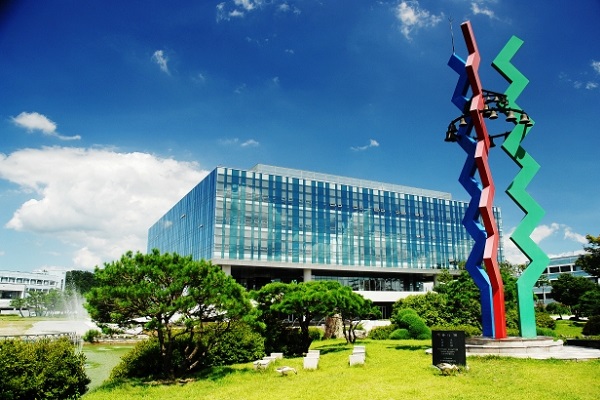
KAIST’s campus sits in Daejeon, a city known specifically as South Korea’s science and technology hub, home to numerous research institutes alongside the university itself. The campus culture reflects this focus, with a genuinely intense, achievement oriented academic environment.
Housing is available through university dormitories, which most students use given Daejeon’s more limited private rental market compared to Seoul. KAIST has a substantial international student population, supported by dedicated international student services to help with the transition.
South Korea experiences real seasons, including a genuine winter with cold temperatures and occasional snow. This marks a significant adjustment for students coming from consistently warm climates.
What Happens After Graduation?
KAIST graduates are highly sought after by major technology companies both within South Korea and internationally, given the university’s strong reputation and South Korea’s position as a global technology leader. Companies like Samsung and numerous other major firms actively recruit directly from KAIST.
South Korea offers work visa pathways for international graduates, though building a long term career there often benefits from developing genuine Korean language skills over time, even in technical fields where English is commonly used day to day.
Advice for International Students
If you are applying to KAIST from anywhere in the world, keep these points in mind.
Understand that KAIST’s scholarship structure is genuinely broad, not a rare competitive award, which makes it worth serious consideration even for students without significant family financial resources.
KAIST evaluates your academic results fairly, whatever national curriculum or grading system your school used, though exceptionally strong math and science performance matters significantly.
Consider your comfort with a genuinely intense, technically focused academic culture, since KAIST’s environment differs from broader, more flexible university structures found elsewhere.
Research South Korea’s climate and cultural adjustment honestly, particularly if you are coming from a consistently warm climate with limited exposure to a genuine four season year.
Conclusion
KAIST admissions offer one of the rare opportunities in global higher education where a top ranked technical university comes with scholarships broad enough to reach nearly every admitted student, not just a select few. Its deep focus on science, engineering, and technology, combined with South Korea’s position as a genuine global innovation leader, makes it a compelling option for strongly motivated students from any country. Research your specific program’s requirements early, prepare for KAIST’s intense academic culture, and take the genuinely accessible scholarship structure seriously as a real path to a world class technical education.
Frequently Asked Questions
Is there a KAIST application fee? Yes, a modest, standard fee applies for international undergraduate applications, payable when you submit your application online.
Do most KAIST students really receive full scholarships? Yes. The vast majority of undergraduate students, including most international applicants who meet the academic requirements, receive scholarships covering full tuition, often alongside a living stipend.
Do I need to speak Korean to study at KAIST? Most undergraduate programs are taught in English. Korean language ability is not required academically, though it helps with daily life outside the classroom.
Is KAIST only good for engineering? It is particularly strong in engineering and computer science, but also offers strong programs in business and natural sciences connected to technology and innovation.
Check or Visit the school official website: KAIST Admissions
Want to compare KAIST with other top universities for scholarships? Browse our other Universities guides, or check Scholarships for more funding options.
Leave a Reply