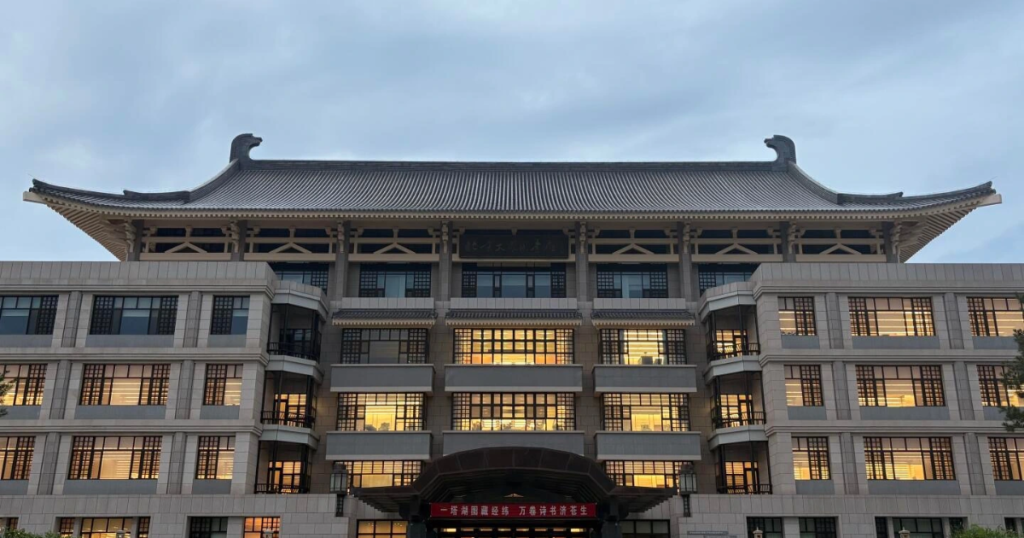
Peking University: A Simple Guide for Students Thinking of Applying
Peking University admissions draw serious attention from students worldwide. The university sits at the very top of Chinese higher education, and it backs that reputation with generous government-funded scholarships for qualified international applicants. This guide breaks down admissions, real costs, and student life for international students everywhere considering China.
What Is Peking University?
Peking University, often shortened to PKU, is a public research university founded in 1898 in Beijing. It ranks as one of China’s two most prestigious universities, alongside Tsinghua, and it belongs to China’s elite C9 League of research-intensive institutions.
Beijing gives PKU a genuine front-row seat to China’s political, cultural, and economic life. The city places students close to major government institutions, leading tech companies, and a dense network of research centers.
Peking University Tuition Fees and Costs
Many applicants specifically search for Peking University tuition fees before applying. Costs vary by program and school, but most master’s programs charge somewhere between 30,000 and 40,000 RMB per year, while doctoral programs typically run between 40,000 and 50,000 RMB per year.
English-taught programs sometimes carry different fee structures than Chinese-taught ones, so applicants should check the specific fee listed for their intended program rather than relying on general averages. Living costs in Beijing stay moderate compared to many other major world capitals, which helps offset the tuition students do pay.
Application fees also apply during the admissions process itself, and PKU charges these separately from tuition when applicants submit their materials online.
Peking University Scholarships for International Students
PKU offers several well-funded scholarship routes rather than leaving international students to cover tuition entirely on their own. The Chinese Government Scholarship covers full or partial tuition, along with a living stipend, housing support, and medical insurance for eligible graduate applicants.
The Beijing Government Scholarship specifically supports undergraduate applicants under 25, and it comes in three tiers ranging from full support to a straightforward tuition waiver. PKU’s own Yenching Academy also runs a competitive, fully funded scholarship for a two-year interdisciplinary master’s program focused on Chinese studies, covering tuition, housing, a monthly stipend, and even round-trip airfare.
Because these programs stack against specific eligibility rules, applicants should apply as early as possible and read each scholarship’s requirements carefully before submitting.
How Does Admissions Work?
PKU enrolls international students through what it calls an “Application + Examination” method rather than the standard application system used across the US or UK. Applicants submit materials online first, then move through an additional evaluation stage set by their specific department or school.
A few things that help your Peking University admissions application:
Strong academic transcripts and clear evidence of research potential carry real weight, especially for graduate applicants applying to competitive schools like computer science. Language requirements depend heavily on your chosen program. Chinese-taught programs generally require a solid HSK Chinese proficiency score, while English-taught programs typically ask for standard English test scores instead. International applicants often apply to specific campuses beyond the main Beijing site, including PKU’s Shenzhen Graduate School, so confirm which location and department fits your intended field of study.
Confirm your program’s exact application window and document requirements directly on PKU’s international admissions pages, since deadlines and evaluation stages shift from year to year and differ by school.
What Will You Study?
PKU covers an unusually wide academic range for a single university. Programs span philosophy, literature, history, law, and economics alongside engineering, computer science, medicine, and management.
Most undergraduate instruction happens in Chinese, but PKU offers a growing number of English-taught graduate programs, particularly in fields like computer science and international studies, aimed specifically at incoming international students.
PKU produces a significant share of China’s top research output, and it maintains especially strong programs in computer science, physics, and the social sciences, giving graduate students real access to well-funded, active research groups.
What Is Campus Life Like?
PKU’s historic Yanyuan campus sits in Beijing’s Haidian district, known for its classical Chinese garden architecture alongside modern academic buildings. The university also runs a newer Changping campus and additional facilities in other districts and cities.
Beijing offers students an enormous, historically rich capital city, with extensive public transport connecting campus to the rest of the metropolitan area. On-campus housing is available to most students, and it remains a common choice given Beijing’s competitive private rental market.
Beijing experiences a genuine four-season year, including cold, dry winters and hot summers. Students coming from more consistently warm or humid climates should prepare for a real seasonal adjustment.
What Happens After Graduation?
PKU graduates carry serious weight with major Chinese employers, particularly in technology, finance, and government roles, given the university’s standing as one of China’s two flagship institutions. Companies across China’s tech sector actively recruit PKU graduates for both technical and leadership roles.
China requires a specific work visa for foreign graduates who want to stay and work after finishing their studies, and this generally requires employer sponsorship. Building a long-term career in China benefits enormously from genuine Mandarin fluency, even for graduates working in more internationally oriented fields.
Advice for International Students
If you are applying to Peking University from anywhere in the world, keep these points in mind.
Check your program’s language of instruction early, since this single detail shapes both your preparation and your realistic chances of admission far more than most other factors.
Apply for scholarships at the same time as your program application rather than afterward, since programs like the Chinese Government Scholarship and Beijing Government Scholarship run on their own separate timelines and eligibility rules.
Take the “Application + Examination” process seriously, and prepare for an additional evaluation stage beyond simply submitting your documents online.
Research Beijing’s seasons and pace honestly, particularly if you come from a warm climate or a smaller city, since both will shape your daily experience meaningfully.
Conclusion
Peking University admissions open a genuine path to one of Asia’s most respected universities, backed by scholarship programs generous enough to remove tuition as a real barrier for many qualified applicants. Its enormous academic range, strong research output, and location in China’s capital make it a compelling choice for motivated students from any country, particularly those willing to build real Mandarin skills. Research your specific program’s language requirements and application timeline early, and treat PKU’s scholarship options as a genuine route to a world-class education in China.
Frequently Asked Questions
What are Peking University’s tuition fees for international students? Most master’s programs charge between 30,000 and 40,000 RMB per year, while doctoral programs typically run between 40,000 and 50,000 RMB per year, though exact fees vary by school and program.
Can international students get their Peking University tuition covered? Yes. The Chinese Government Scholarship and the Beijing Government Scholarship both offer full or partial tuition waivers, often alongside housing, a living stipend, and medical insurance for eligible applicants.
Do I need to speak Chinese to study at Peking University? It depends on your program. Chinese-taught programs require solid HSK proficiency, while a growing number of English-taught graduate programs accept standard English test scores instead.
Is Peking University only good for one field of study? No. PKU offers strong programs across an unusually wide range of fields, including philosophy, law, economics, computer science, engineering, and medicine.
Check or Visit the school official website: Peking University Admissions
Want to compare Peking University with other top universities for scholarships? Browse our other Universities guides, or check Scholarships for more funding options.
Leave a Reply