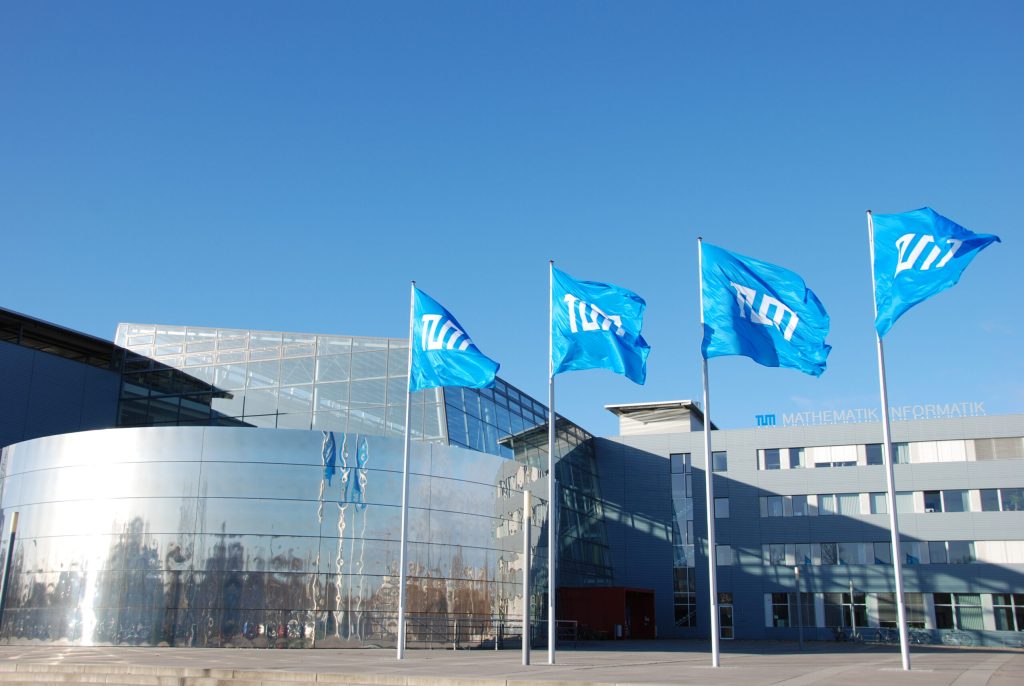
TUM: A Simple Guide for Students Thinking of Applying
TUM admissions attract engineering and science minded students from around the world for a straightforward reason, a genuinely elite research reputation paired with tuition costs that remain low by international standards, even after recent fee changes. This guide breaks down admissions, real costs, and student life for international students everywhere considering the Technical University of Munich.
What Is TUM?
TUM stands for the Technical University of Munich, a public research university founded in 1868 in Munich, Germany. It has grown into one of the strongest technical universities in Europe, holding the top spot among German universities in several major global rankings and sitting comfortably inside the world’s top 25.
Munich itself functions as a serious European technology and industry hub, home to major companies and a dense innovation ecosystem, which gives TUM close, practical ties to industry that shape much of its teaching and research.
TUM Tuition Fees and Costs
Many applicants specifically search for TUM tuition fees before applying, and the answer has changed recently. Starting from the 2026/27 winter semester, non-EU and non-EEA international students are charged tuition, with undergraduate programs generally costing between roughly two thousand and three thousand euros per semester, and master’s programs typically running between four thousand and six thousand euros per semester, depending on the program.
On top of tuition, all students, regardless of nationality, pay a modest general semester contribution that covers administrative costs and student services, and this fee is set to rise slightly starting in the summer semester of 2026.
Living costs in Munich itself tend to run higher than in many other German cities, with typical monthly expenses for accommodation, food, and daily life falling in a moderate but noticeable range. Despite this, TUM still compares favorably against comparable technical universities in the US, UK, or elsewhere once total costs are considered.
TUM Scholarships for International Students
TUM offers several ways to reduce or eliminate its tuition fees rather than leaving international students to cover the full cost outright. Tuition fee waivers, awarded on either merit or financial need, can cover the entire tuition amount for eligible bachelor’s and master’s students.
Separately, TUM also awards direct financial aid intended to help with living expenses, generally ranging from a few hundred to close to two thousand euros per semester, renewable each term for students who continue to meet the eligibility criteria. Combined, these programs mean that a well qualified applicant with genuine financial need has a realistic path to studying at TUM without paying full price.
How Does Admissions Work?
TUM runs a genuinely competitive admissions process, evaluated program by program rather than through a single university wide standard. Applications typically go through TUM’s own online application system, though many applicants also need to submit documents through uni-assist, a shared verification service used by numerous German universities.
A few things that help your TUM admissions application:
Strong, verifiable academic performance in mathematics, physics, or relevant technical subjects matters enormously, since TUM’s culture centers on rigorous technical training. Certain competitive programs, particularly in engineering and data-focused fields, may specifically request additional test scores from applicants in some countries. International applicants, particularly from countries like India, often need to secure specific certification of their academic background well ahead of application deadlines, so starting this process early matters.
Confirm the exact requirements for your specific national curriculum and intended program directly on TUM’s official international admissions pages, since requirements vary meaningfully by country and by department.
What Will You Study?
TUM concentrates heavily on engineering, natural sciences, computer science, and applied technical fields, offering degrees across a genuinely wide range of academic schools rather than a narrow specialization. Particular strengths include mechanical engineering, electrical engineering, computer science, and increasingly data-focused and AI-adjacent programs.
Most master’s programs are taught in English specifically to accommodate TUM’s substantial international student population, while many undergraduate bachelor’s programs remain taught in German, which is worth checking carefully before you apply.
TUM’s research output ranks among the strongest in Europe, and the university maintains close, active connections with major German industry, giving undergraduates and graduate students real opportunities to work alongside applied, industry relevant research.
What Is Campus Life Like?
TUM’s campus presence is spread across Munich and nearby towns, with Munich itself offering a genuinely high standard of living, extensive public transport, and a strong cultural and professional scene tied to Germany’s technology and engineering industries.
Housing in Munich can be genuinely competitive given the city’s popularity and cost of living, so most incoming students are strongly advised to start searching for accommodation well before arrival. TUM has a substantial international student population, close to half of its overall student body, supported by dedicated international offices to help with visas, housing, and general orientation.
Germany experiences a genuine four season year, including real winters with cold temperatures and limited daylight, which represents a significant adjustment for students arriving from consistently warm climates.
What Happens After Graduation?
TUM graduates are highly sought after by major German and international companies, particularly in automotive, engineering, and technology sectors, given the university’s strong reputation and Munich’s position as a genuine European industry hub.
Germany offers structured pathways for international graduates to stay and work, including dedicated visa options for job seekers after graduation, though building a long term career there generally benefits from developing real German language skills over time, even in technical fields where English is common in day to day work.
Advice for International Students
If you are applying to TUM from anywhere in the world, keep these points in mind.
Understand that TUM’s fee structure has genuinely changed in recent years, so confirm current tuition figures and scholarship options directly with TUM rather than relying on older information you might find elsewhere.
TUM evaluates your academic background carefully against its own program specific standards, so confirm early whether your national qualifications require additional verification steps before you apply.
Consider your comfort with a genuinely intense, technically focused academic culture, and check carefully whether your intended program is taught in English or German before committing.
Research Munich’s cost of living and climate honestly, particularly if you are coming from a warm climate or a lower cost city, since both will shape your day to day experience meaningfully.
Conclusion
TUM admissions offer a compelling combination for strongly motivated students, genuine technical excellence backed by deep industry ties, set against a tuition structure that remains manageable, especially once scholarships and fee waivers are factored in. Its close relationship with German industry, strong research culture, and central place in Munich’s technology ecosystem make it a serious option for engineering and science focused students from any country. Research your specific program’s requirements and language of instruction early, prepare financially for the recent tuition changes, and take TUM’s scholarship and waiver options seriously as a real path to reducing the overall cost.
Frequently Asked Questions
What are TUM’s tuition fees for international students? Starting from the 2026/27 winter semester, non-EU and non-EEA international students generally pay between roughly two thousand and three thousand euros per semester for bachelor’s programs, and between four thousand and six thousand euros per semester for master’s programs, on top of a modest general semester contribution paid by all students.
Can international students get their TUM tuition reduced or waived? Yes. TUM offers merit and need based tuition fee waivers that can cover the full tuition amount for eligible students, along with separate financial aid to help with living costs.
Do I need to speak German to study at TUM? Most master’s programs are taught in English, but many bachelor’s programs are taught primarily in German, so this varies by program and should be confirmed before applying.
Is TUM only good for engineering? It is particularly strong in engineering and computer science, but also offers strong programs across the natural sciences and applied technical fields connected to industry and innovation.
Check or Visit the school official website: TUM Admissions
Want to compare TUM with other top universities for scholarships? Browse our other Universities guides, or check Scholarships for more funding options.
Leave a Reply