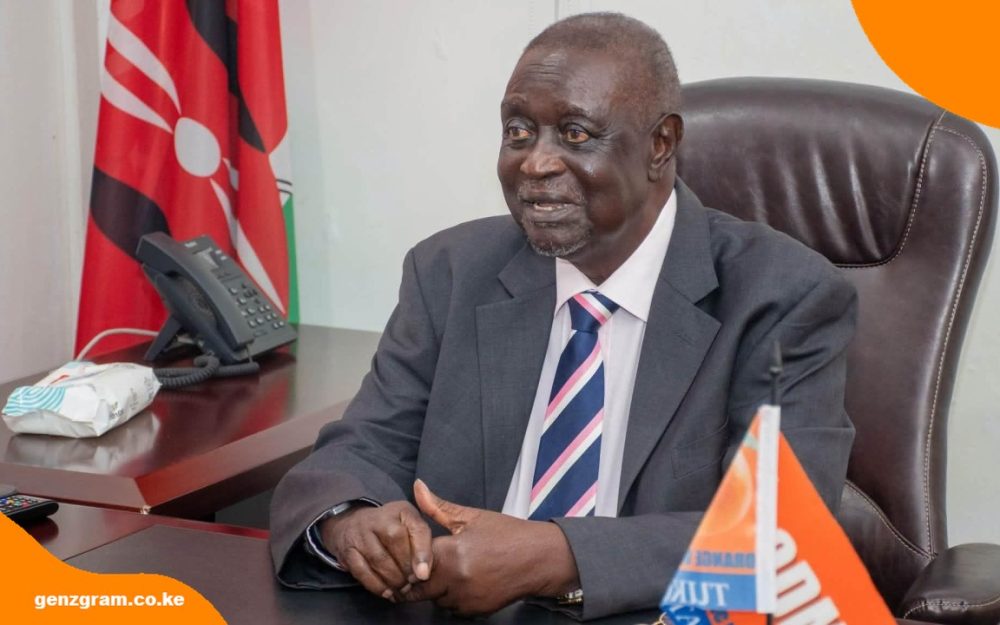
Questions about the whereabouts of veteran Kenyan politician Oburu Oginga Odinga have intensified after rumours about his death circulated on social media, leaving many Kenyans searching for answers about the health of the Orange Democratic Movement (ODM) leader.
For a man who has spent decades in public life, his recent absence from major political and family events has drawn considerable attention. But the uncertainty has also created an environment in which unverified claims can spread quickly, turning genuine concern into alarming speculation.
As of October 13, 2026, there is no credible confirmation that Oburu Odinga has died. Recent statements from ODM officials and his office have dismissed the death rumours, saying he is alive and recovering while following medical advice.
Yet one question continues to circulate among Kenyans: Where is Oburu Odinga, and why has he been away from the public eye?
His Absence Raises Questions
Oburu’s recent health concerns have placed him at the centre of public discussion, particularly because of his position as ODM party leader and Siaya Senator.
On October 5, reports emerged that he had been admitted to Nairobi Hospital for treatment. The news prompted renewed interest in his condition, especially among supporters who had grown accustomed to seeing him participate in political activities.
The following day, ODM communications director Philip Etale sought to reassure the public, saying Oburu had visited the hospital for a check-up and that he had spoken to him. Etale also indicated that the veteran politician would take a break from active political engagements for several weeks as he rested.
However, the explanations did not stop speculation online.
For many Kenyans, the absence of a fresh public appearance created room for questions. Others began sharing claims about his condition, with some posts going further to suggest that he had died.
Such claims can spread rapidly when information about a public figure’s health is limited. But a lack of public appearances is not proof of death, and rumours should not be mistaken for confirmed news.
The Ceremony That Intensified the Speculation
The discussion gained further momentum on October 7, when Oburu missed a ceremony marking the first anniversary of his younger brother Raila Odinga’s death.
The event, held at Kang’o Ka Jaramogi in Bondo, Siaya County, was a significant moment for the Odinga family and ODM supporters. President William Ruto attended as the country remembered the former prime minister.
Given Oburu’s position as Raila’s elder brother, ODM leader and a senior member of the family, his absence was particularly noticeable.
Raila’s widow, Ida Odinga, explained that Oburu was unwell and apologised for his absence. She also asked Kenyans to continue praying for his recovery.
The explanation helped clarify why he had not attended the ceremony, but it did not end the questions about his condition.
For some Kenyans, the situation was especially concerning because the anniversary was an occasion when many expected the Odinga family to appear together in public.
ODM Officials Respond to Death Rumours
As the claims circulated, ODM officials moved to dismiss reports that the Siaya Senator had died.
On October 6, ODM national chairperson Gladys Wanga said she had visited Oburu and found him in high spirits as he continued recovering.
The following day, the Oburu Oginga Secretariat also dismissed the death reports as fake news, saying he was alive, safe and in good spirits. The office indicated that doctors had advised him to rest and limit demanding physical engagements.
Nairobi Senator Edwin Sifuna also raised concern about the spread of misinformation in the Senate on October 7. He referred to alarming reports circulating online about his colleague and called attention to the need to address false information.
These statements are important because they provide a clear response from people and institutions close to the politician. They contradict the online claims that he had died.
However, they do not establish his precise location at every moment or provide a complete public account of his medical condition.
So, Where Is Oburu Odinga Now?
The most recent publicly reported information available by October 13 indicates that Oburu has been resting and recovering under medical advice following his recent hospital treatment.
Earlier, on September 1, he personally confirmed that he had been discharged from Nairobi Hospital and was recovering at his Nairobi home. He dismissed reports that he had been readmitted at the time.
Later in September, he disclosed that he had travelled to the United Kingdom for routine medical checks, explaining that the trip followed advice from his doctors and the ODM leadership.
His more recent hospital admission in October and subsequent absence from public engagements have renewed questions about his health. ODM officials have said he is recovering, but a fresh, independently verified update confirming his exact whereabouts on October 13 has not been established.
It is therefore important to distinguish between what has been confirmed and what remains unknown. The available statements indicate that Oburu is alive and recovering; they do not justify claims that he has died.
Why His Health Matters to ODM and the Odinga Family
Oburu’s absence has implications beyond public curiosity about his personal wellbeing.
Following Raila Odinga’s death in October 2025, Oburu became a central figure in the family’s public affairs and assumed leadership of ODM. His position has placed him at the centre of discussions about the party’s direction, internal leadership and future political arrangements.
His temporary withdrawal from public engagements therefore raises practical questions about how the party manages its activities while its leader is resting.
At the same time, Oburu is a family member who has experienced a major personal loss. The first anniversary of Raila’s death was an emotional occasion for the family and supporters, making his absence especially noticeable.
It is possible to understand why Kenyans want reassurance without treating a person’s medical situation as public entertainment. Even prominent political figures are entitled to rest and receive treatment without being expected to provide constant public updates.
Kenyans Deserve Facts, Not Fear
The episode highlights a wider challenge in Kenya’s digital information environment: unverified reports about prominent individuals can spread faster than official clarifications.
A photograph, an edited video or a message claiming that a public figure has died can attract thousands of reactions before anyone establishes its authenticity. In Oburu’s case, fact-checkers have previously debunked fabricated death claims that circulated during September.
The public has a legitimate interest in the wellbeing of elected leaders, particularly when their absence affects political institutions. But that interest is best served by accurate reporting rather than speculation.
For now, the available evidence does not support claims that Oburu Odinga is dead. Statements from ODM officials and his secretariat indicate that he is alive and recovering, although his precise current whereabouts have not been independently confirmed in the latest available reports.
Until a reliable new update is provided, Kenyans should treat claims of his death with caution.
The question, therefore, is not whether social media rumours should be believed, but whether the public can receive a clear and timely update that separates confirmed information from speculation.
For a country still remembering Raila Odinga, the uncertainty surrounding his elder brother has naturally attracted attention. What Kenyans need now is verified information, respect for the family’s privacy and patience as Oburu follows medical advice and continues his recovery.
Follow Our WhatsApp Channel for Daily Real-Time News Updates