

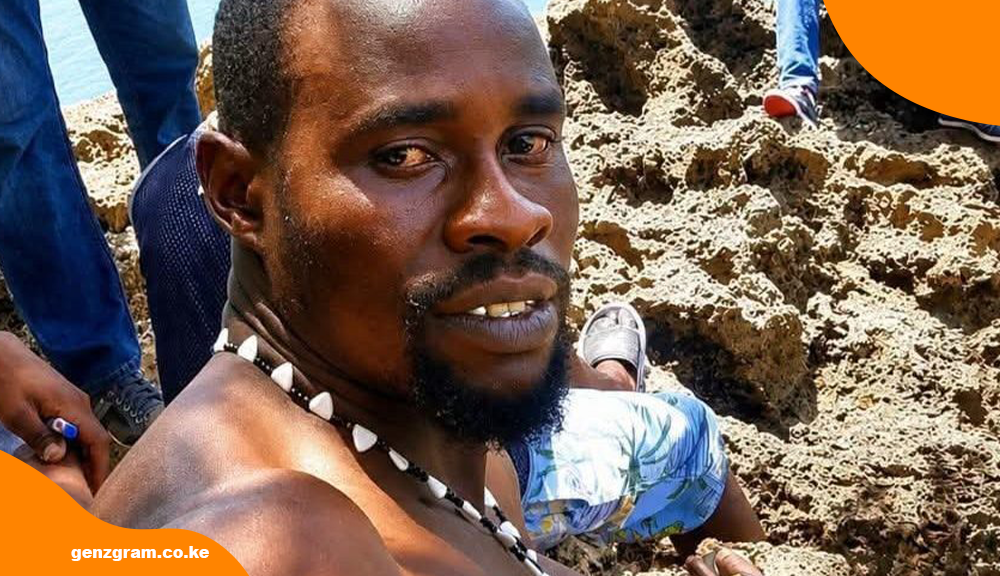
The arrest of Kassim Abdi Sebo has thrust his name into the national conversation, following renewed unrest in Homa Bay town that has disrupted business and raised fresh questions about security, political violence and accountability in Kenya.
Sebo was arrested on Thursday night, October 8, 2026, by police officers executing a warrant issued by the Homa Bay Law Courts. His arrest was followed by protests in parts of the lakeside town, with some youths reportedly lighting bonfires, barricading roads and demanding his release. The development has drawn attention because Sebo’s name has also featured in the aftermath of the violence that disrupted the Linda Mwananchi political rally in Homa Bay in August.
But who exactly is Abdi Sebo, what is the case against him, and why has his arrest triggered such a reaction?
Who is Kassim Abdi Sebo?
Kassim Abdi Sebo is the man at the centre of the latest security developments in Homa Bay. His name has appeared in media reports concerning alleged criminal activity and the violence associated with political mobilisation in the county. Police arrested him at Homa Bay Bus Stage on Thursday night while executing a warrant reportedly issued on August 14, 2026.
According to reports citing police records, the warrant concerns an alleged offence of assault causing actual bodily harm under Section 251 of Kenya’s Penal Code.
It is important to distinguish this stated basis for the arrest from allegations connecting Sebo to the August political violence. Those allegations require investigation and must be established through the appropriate legal process. As of October 9, reports indicated that Sebo and seven other men arrested during the operation were being held pending their appearance in court.
The Linda Mwananchi rally that put Homa Bay in the spotlight
To understand why Sebo’s arrest has attracted so much attention, it is necessary to revisit the events of August 16, 2026.
On that Sunday, leaders associated with the Linda Mwananchi movement visited Homa Bay County as part of their political mobilisation activities. The delegation included opposition figures such as Nairobi Senator Edwin Sifuna and Embakasi East MP Babu Owino, among other political leaders.
The visit was disrupted by violent confrontations along routes leading towards Homa Bay town. Reports described blocked roads, attacks on vehicles and injuries among people caught up in the violence. The National Police Service subsequently reported arrests in connection with the incident, while Human Rights Watch later raised concerns about attacks on opposition gatherings and the need for transparent investigations.
The violence also drew attention to the safety of journalists, political supporters and ordinary residents during public political events. For many observers, the central question was no longer simply whether a political rally could proceed. It was whether people could participate in political activities without facing intimidation or violence.
Why is Sebo being linked to the August violence?
Reports published following his arrest have connected Sebo to investigations surrounding the violence that disrupted the Linda Mwananchi rally. Some media outlets have described him as an alleged gang leader and reported claims of links to groups suspected of involvement in political violence.
However, these descriptions and allegations should not be mistaken for a judicial finding that Sebo organised or participated in the August attacks. The reported arrest warrant concerns assault causing actual bodily harm. The precise relationship between that alleged offence and the wider investigation into the rally violence should be established through official records and court proceedings.
The distinction matters because several different questions are involved: whether an assault occurred, who was responsible, whether the offence is connected to the rally, and whether there was any wider organisation behind the violence.
Each question requires evidence. For now, the arrest has renewed public attention on the broader investigation and on the need for authorities to establish individual responsibility through lawful procedures.
Arrest sparks fresh tension in Homa Bay town
The immediate aftermath of Sebo’s arrest was marked by unrest in parts of Homa Bay. Media reports published on Friday, October 9, said groups of youths took to the streets, lit bonfires and barricaded roads while demanding his release. Some businesses reportedly closed, while transport operations were disrupted amid concerns about security.
Police also arrested seven other men during the operation. They were accused of obstructing officers as they carried out the arrest. Their detention brought the total number of suspects arrested during the operation to eight. The protests have added another layer of tension to a town still dealing with the consequences of the August violence.
For traders, public transport operators and residents who depend on daily economic activity, prolonged unrest can mean lost income, interrupted journeys and uncertainty about personal safety. Whatever their views about Sebo or the circumstances surrounding his arrest, residents should not have to bear the economic and physical costs of violence.
A bigger question about political violence in Kenya
The developments in Homa Bay also raise questions that extend beyond one suspect. Kenya has experienced recurring concerns about violence surrounding political meetings, demonstrations and election-related mobilisation. With the 2027 General Election approaching, the handling of such incidents has implications for public confidence in law enforcement and the protection of political rights.
Human Rights Watch, in a September 11, 2026 report, called on Kenyan authorities to ensure transparent investigations into attacks targeting civil society and opposition gatherings. The organisation also documented reports of deaths and injuries associated with attacks on political gatherings, including the August 16 incident in Homa Bay.
The question facing investigators is whether those responsible for the violence can be identified through credible evidence and held accountable without political interference. That requires more than arrests and public accusations. It requires proper investigations, evidence that can withstand scrutiny, and court proceedings that respect the rights of everyone involved.
It also requires the authorities to investigate allegations of misconduct wherever credible evidence points to it.
What happens next?
The next significant development will be Sebo’s appearance in court and the progress of the case underlying his arrest.
Court proceedings should clarify the charge brought against him, the evidence presented by the prosecution and any response made by the defense. The separate question of responsibility for the August Linda Mwananchi rally violence also remains important. Residents and the public deserve a clear account of what happened, who was involved and whether any wider coordination took place.
Equally, those protesting Sebo’s detention have a responsibility to express their concerns peacefully. Demanding due process is a legitimate civic concern; threatening residents, damaging property or obstructing essential services places other members of the community at risk.
The police, meanwhile, have a responsibility to maintain order while respecting constitutional rights and ensuring that any use of force is lawful and proportionate.
The real test is accountability
The arrest of Kassim Abdi Sebo has once again placed Homa Bay at the centre of a national conversation about political violence, criminal investigations and public security. Yet the significance of this case should not be measured by the number of arrests or the intensity of street protests alone.
It should be measured by whether the truth about the alleged offences is established, whether those responsible are held accountable, and whether residents can return to their daily lives without fear. Sebo remains entitled to the presumption of innocence unless and until a court determines otherwise.
At the same time, the victims of the August violence and residents affected by the latest unrest deserve answers. For Homa Bay, the challenge is to move beyond confrontation towards a process in which evidence, the rule of law and the safety of ordinary citizens take precedence over political rivalry.
The question now is whether the investigations will provide the answers Homa Bay residents need—and whether those answers will help prevent a repeat of the violence.
For Daily News Update and more stories check our homepage: GENZGRAM