
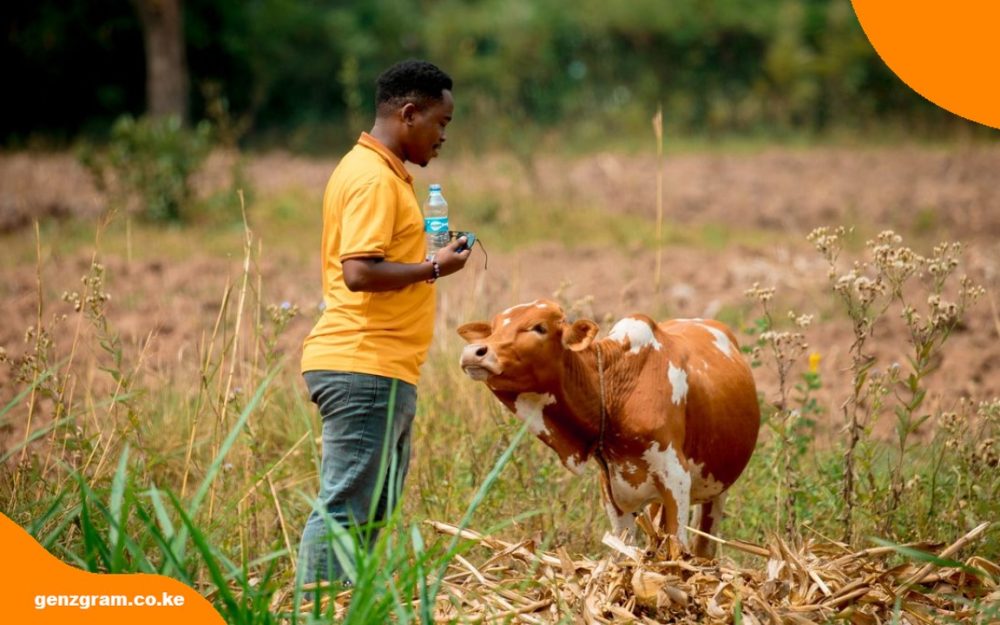
The Kenya Revenue Authority (KRA) wants farmers who sell produce to factories and other businesses to start using eTIMS reverse invoicing. The system lets the buyer issue the electronic tax invoice on the farmer’s behalf, so small-scale suppliers do not have to handle invoicing themselves.
KRA made the appeal at a taxpayer town hall, the KRA Citizen Assembly, held at Murang’a University on Tuesday, 17 November.
What is eTIMS reverse invoicing?
eTIMS is KRA’s Electronic Tax Invoice Management System. With reverse invoicing, a buyer that deals with suppliers who cannot issue electronic invoices themselves generates the invoice for them. KRA Commissioner for Micro and Small Taxpayers George Obell explained the arrangement at the meeting.
Business Today reports that the process works like this:
- The buyer, for example a milk processor, records what it received, such as litres of milk.
- The buyer applies the agreed purchase price.
- The buyer generates the electronic invoice through its own system on the farmer’s behalf.
- The farmer receives an SMS or email for each invoice and can check the records in their eTIMS account.
Who can use it?
Buyers must get KRA approval after a Know Your Customer assessment, and suppliers must agree to the arrangement before a buyer can invoice for them. Buyers must also keep records of the supplier’s KRA PIN, the quantity delivered and the value paid.
According to the same report, farmers do not need a smartphone, computer or reliable internet for their sales to be recorded, and they do not pay for the service because the buyer carries the cost.
Why is KRA pushing it now?
Businesses need valid electronic tax invoices to support the expenses they claim. Business Today notes that KRA has been checking declared income and expenses against eTIMS records, withholding tax data and customs import data since 1 January 2026, so buyers who cannot document purchases from farmers risk problems with their own tax returns. Reverse invoicing began on 27 December 2024.
KRA also said it is working to improve how eTIMS and iTax work together, after taxpayers complained about discrepancies when reconciling invoices.
What farmers should do
- Make sure you have a KRA PIN, because the buyer needs it to issue invoices for you.
- Agree to the arrangement with your buyer and keep a copy of what you agreed.
- Check the SMS or email for each invoice and compare it with what you delivered.
- If something does not match, or you have trouble with electronic invoicing, contact a KRA office or its official channels.
What we still don’t know
The reports we have seen do not mention any deadline or penalty for farmers or buyers, and they do not say how the arrangement deals with late payments from factories. This article is general information, not tax advice, so confirm details with KRA or your buyer.
For more context, read our explainers on the KRA fringe benefit tax rate for 2026, the government’s plan for Kenya’s milk sector and milk and maize price forecasts.

Comments
Please keep it respectful. Links, phone numbers and adverts are not allowed and will not be posted.