

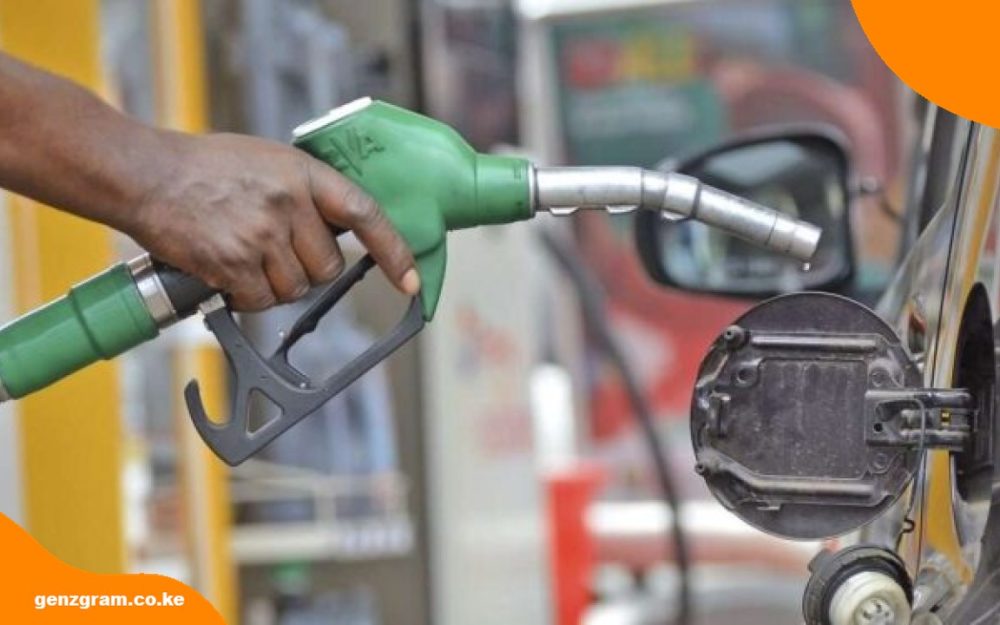
Kenyan households are facing renewed financial pressure following a sharp increase in fuel prices that threatens to push up transport fares, food prices and the cost of running businesses.
The latest adjustment by the Energy and Petroleum Regulatory Authority (EPRA), which took effect on October 15, 2026, raised the maximum retail price of petrol in Nairobi by KSh12.93 per litre, diesel by KSh9.90 and kerosene by KSh28.49.
The increases have renewed concerns about the country’s cost of living at a time when many families are already struggling to balance their incomes against essential expenses.
According to EPRA’s latest price schedule, a litre of super petrol now costs up to KSh226.96 in Nairobi, while diesel retails at KSh227.76 and kerosene at KSh219.87. The revised prices remain in force until November 14, 2026.
Although motorists are the first to feel the impact at petrol stations, the consequences are likely to extend well beyond the transport sector.
Why have fuel prices increased?
EPRA has attributed the latest adjustment to higher import costs for petroleum products, linked to instability in the Middle East and rising international fuel prices.
Kenya depends heavily on imported refined petroleum products, leaving domestic pump prices vulnerable to changes in global oil markets, shipping expenses and exchange-rate movements.
Reuters reported on October 15 that Kenya’s latest price increase followed rising import costs associated with the conflict in the Middle East.
EPRA’s figures also showed that the average landed cost of imported super petrol rose by 11.81 per cent between August and September, while the cost of imported diesel increased by approximately 11.2 per cent.
The regulator also withdrew fuel-price stabilisation support after the available funds had been depleted, according to reporting by The Standard. The withdrawal means consumers are more exposed to increases in the underlying cost of imported petroleum products.
However, international prices are not the only factor determining what Kenyans pay. Taxes, levies, distribution expenses, regulated margins and other components of the pricing formula also contribute to the final pump price.
Transport fares could rise
Public transport operators are among those facing immediate pressure from higher fuel prices.
Matatus, buses, taxis and motorcycle operators rely on petrol or diesel to keep their businesses running. When fuel costs rise, operators must decide whether to absorb the additional expense, reduce their earnings or pass some of the cost to passengers.
Following the latest increase, the Matatu Owners Association called on President William Ruto to intervene, warning that higher operating costs could force fare adjustments.
For ordinary commuters, even a small increase in daily fares can accumulate into a substantial monthly expense.
A worker who makes two journeys each day, for example, could spend an additional KSh20 per day if fares increased by KSh10 on each journey. Over 26 working days, that would amount to KSh520 in extra transport expenses.
The calculation is illustrative rather than a prediction of actual fare changes, but it demonstrates how relatively small adjustments can affect household budgets.
Food prices may also come under pressure
Fuel is an important input in Kenya’s food supply chain. Farmers use fuel to operate machinery and transport produce, while traders and distributors rely on road transport to move goods from farms and wholesale markets to retail outlets.
When diesel becomes more expensive, the cost of moving maize, vegetables, potatoes, milk and other essential commodities can rise.
Manufacturers may also face higher costs when transporting raw materials and distributing finished products. Some businesses could pass these additional expenses on to consumers, depending on competition, demand and their ability to absorb higher operating costs.
This does not mean every food item will become more expensive immediately or by the same amount. Prices also depend on harvests, weather conditions, storage, market demand and the availability of alternative transport arrangements.
Nevertheless, sustained increases in fuel costs can create pressure across several sectors simultaneously, making it harder for households to find affordable alternatives.
Kerosene increase puts low-income households under pressure
The KSh28.49 increase in kerosene has attracted particular concern because the fuel remains important for some households that use it for cooking and lighting.
At KSh219.87 per litre in Nairobi, kerosene has become more expensive at a time when many families are attempting to minimise spending on basic needs.
Households that depend on kerosene have fewer opportunities to avoid the increase if they cannot afford alternatives such as electricity or liquefied petroleum gas.
The impact can extend beyond the price paid at the pump. Families may have to reduce spending elsewhere to accommodate higher energy costs, potentially affecting food, transport, education and other household needs.
The increase therefore raises questions about how energy-price shocks affect households differently according to their incomes and access to alternative sources of energy.
Political pressure grows over the cost of fuel
The latest adjustment has also intensified political debate over the government’s management of petroleum prices and the cost of living.
Ndindi Nyoro’s People’s Party of Kenya has proposed measures that it says could reduce petrol and diesel prices, including lower industry margins, a proposed KSh5.5 billion subsidy and a reduction in the fuel levy. The party has argued that these measures could bring petrol below KSh200 per litre.
These figures represent the party’s proposal, not a government-approved price reduction. The actual effect would depend on whether the measures were adopted, how they were financed and how the regulated pricing formula changed.
The debate illustrates the difficult balance facing policymakers. Reducing fuel prices could ease pressure on households and businesses, but subsidies require public funding, while changes to levies can affect government revenue.
At the same time, consumers want a transparent explanation of the costs included in pump prices and the measures available to cushion them against sudden increases.
The Motorists Association of Kenya has also called for an independent audit of fuel prices and the government-to-government petroleum import arrangement, adding to scrutiny of the country’s fuel-supply system.
What can households do as costs rise?
While households cannot control international petroleum prices, practical budgeting can help them manage some of the immediate effects.
Commuters can compare available transport options and coordinate journeys where possible. Small businesses can review delivery routes and fuel use, while households can plan purchases to reduce unnecessary travel and avoid waste.
However, these measures have limits. People who travel long distances to work, operate vehicles for a living or depend on fuel for essential business activities may have little flexibility.
Longer-term relief will depend on broader economic conditions, energy policy, the stability of international markets and whether efficiency gains or other interventions can reduce the burden on consumers.
The bigger question for Kenya’s economy
The latest fuel increase is more than a challenge for motorists. It is a reminder of how strongly Kenya’s household budgets and businesses remain exposed to movements in global energy markets.
Higher fuel prices can place pressure on transport, food distribution, manufacturing and domestic energy spending. If the increases persist, they may make it harder for families to maintain their purchasing power and for businesses to control operating costs.
The immediate challenge is to prevent the rising cost of essential inputs from placing an even heavier burden on households already managing limited incomes.
As the country approaches the next fuel-price review, Kenyans will be watching international oil prices, government interventions and the decisions of regulators for signs of relief.
For now, the central concern remains whether wages and household incomes can keep pace with the rising cost of everyday life.