
Kenya’s Ebola response has entered a critical monitoring phase, with health authorities continuing surveillance, laboratory testing and contact tracing following confirmation of nine cases of Bundibugyo Ebola virus disease.
In an update published on Thursday, October 22, 2026, the Kenya Broadcasting Corporation (KBC) reported that the confirmed cases included one death, while eight patients were receiving treatment in designated isolation facilities. The report said the patients were stable and responding to treatment.
The latest update also indicated that 14 samples collected from suspected cases during the preceding 24 hours had tested negative. Although these results offer some reassurance, health officials continue to monitor contacts and investigate potential exposures to prevent further transmission.
First contacts expected to leave quarantine
One of the key developments in Kenya’s response is the planned release of the first group of contacts who complete the required 21-day monitoring period without developing symptoms.
According to KBC, the first group is expected to leave quarantine from Sunday, October 25. Those who remain healthy throughout their monitoring period will be reunited with their families.
The 21-day period reflects the maximum recognised incubation period for Ebola virus disease. People who have been exposed to the virus are monitored for symptoms during this period so that infections can be identified promptly.
However, completing the monitoring period does not mean that all public-health surveillance will immediately end. Contacts linked to later cases may have different monitoring timelines, depending on when their exposure occurred.
The authorities are also continuing to monitor people connected to confirmed cases, including healthcare workers and family members, while strengthening infection prevention measures in treatment and quarantine facilities.
How the outbreak developed
Kenya’s first confirmed case was reported in October after a man who had travelled from the Democratic Republic of the Congo became ill. He had travelled through Uganda before arriving in Nairobi, where he was taken to hospital. He subsequently died on October 5.
Subsequent infections were identified among people who had been in close contact with the first patient. Earlier updates from the World Health Organization (WHO) described additional cases among close family members who were already under quarantine when they developed symptoms.
The latest KBC report places the total at nine confirmed cases, including the initial patient. Health authorities have said the cases are linked to a single cluster and that investigations have not established evidence of wider community transmission.
This distinction matters because an outbreak can produce additional confirmed cases among known contacts even when health teams have not identified sustained spread in the wider population. It also explains why contact tracing and daily monitoring remain important after the initial patients have been isolated.
Surveillance and testing remain priorities
Kenya’s response involves identifying people who may have been exposed, monitoring their health, testing suspected cases and ensuring that patients receive care in designated facilities.
Health workers are also conducting screening at points of entry and sharing information with relevant authorities in other countries where contacts may have travelled.
The October 22 report said that 135 contacts associated with the first case had been traced, including contacts in Kenya and internationally. Health authorities have continued investigations and coordination with relevant public-health agencies.
Laboratory testing is another important part of the response. Negative results help health teams assess suspected cases, although a negative result applies to the particular sample and circumstances in which it was collected. Anyone who develops symptoms after a possible exposure should still seek immediate guidance from health authorities.
The Ministry of Health has also urged the public to rely on official updates rather than unverified social-media claims. Numbers can change as new test results become available and investigations progress.
What Kenyans should know about Ebola
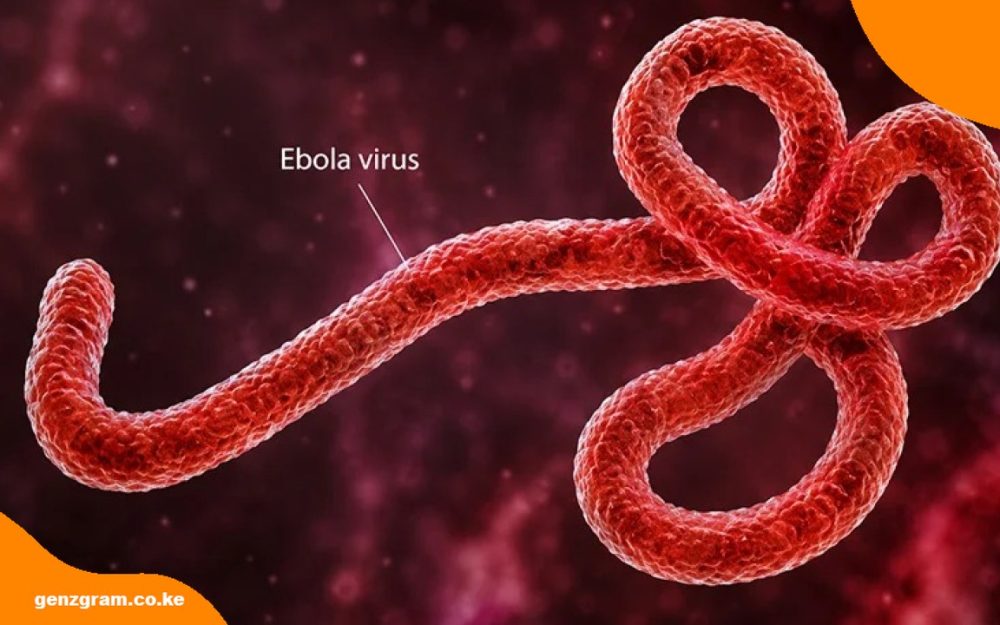
Bundibugyo Ebola is caused by a virus in the Ebola virus group. It can cause a serious illness, but transmission does not occur simply because someone is in the same room or area as an infected person.
According to WHO, Ebola spreads through direct contact with the blood or other body fluids of an infected person who is showing symptoms, or of someone who has died from the disease. Infection can also occur through contact with contaminated objects.
Symptoms may include fever, unusual tiredness, headache, muscle or joint pain and a sore throat. Other symptoms can include vomiting and diarrhoea. These signs may resemble malaria and other common illnesses, so symptoms alone cannot confirm Ebola.
Anyone who believes they have been exposed and develops symptoms should contact health authorities or seek urgent medical assessment, clearly explaining the possible exposure. They should avoid close contact with others while awaiting professional guidance and follow instructions from public-health teams.
People should not handle the body fluids or personal items of someone suspected of having Ebola without appropriate professional precautions.
Is Kenya facing widespread community transmission?
The latest reports from health authorities say the confirmed infections are linked to one cluster, with no evidence of wider community transmission identified in the investigations reported so far.
That is a meaningful distinction, but it should not be interpreted as a reason to abandon precautions. Additional infections can still be detected among contacts who are within the incubation period, which is why health teams continue monitoring people who may have been exposed.
The planned release of the first contacts from quarantine will be an important milestone. It will also demonstrate why completing the full monitoring period without symptoms is central to outbreak control.
For now, Kenyans should remain calm, avoid spreading unverified information and follow instructions issued by the Ministry of Health. The coming days will be important as the first contacts complete monitoring and authorities continue testing, surveillance and follow-up.