

France has reported the world’s first documented human infection with Shamonda virus after a severely immunocompromised patient died following treatment in Lyon, raising fresh questions about a virus previously known to affect animals.
French health authorities announced the discovery on Thursday, October 22, 2026, confirming that the patient died in early October. The case is considered exceptional because Shamonda virus had previously been regarded as unable to infect humans.
Despite the death, officials have stressed that no health risk to the general population has been identified at this time. Investigations are continuing to establish how the infection occurred and what it could mean for public health.
The World Health Organization (WHO) and the European Centre for Disease Prevention and Control (ECDC) have been notified and are working with French authorities to assess the case.
What happened in France?
According to French authorities, the patient was receiving treatment at the Hospices Civils de Lyon for a serious underlying illness that had significantly weakened their immune system.
The patient subsequently tested positive for Shamonda virus and died in early October. Authorities have not established that the virus alone caused the death, and investigations are continuing into its role in the patient’s illness.
The leading hypothesis is that the individual was infected through the bite of a small insect known as a biting midge in eastern France, where the virus had been circulating among animals during spring and summer.
Clinical, laboratory and epidemiological investigations are underway to establish the circumstances of the infection and determine whether there are any wider public-health implications.
The discovery is particularly significant because no human infections had previously been documented despite decades of the virus circulating among animals in parts of Africa and Asia.
What is Shamonda virus?
Shamonda virus belongs to the Orthobunyavirus group and is associated primarily with livestock, especially cattle. It was first detected in Nigeria in the mid-1960s and has subsequently been reported in parts of Africa and Japan.
The virus is transmitted among animals by biting midges, small fly-like insects that can carry infectious agents between hosts.
Cattle are considered the principal animal hosts, although infections have also been identified in other livestock, including sheep, goats and horses.
The virus attracted greater attention in 2026 after it was detected in farm animals in Europe for the first time. French authorities said it had circulated among animals in affected areas during the spring and summer.
Until the case in Lyon, Shamonda virus had not been documented in humans. Its effects on people, the potential severity of human infection and the possibility of transmission between people therefore remain areas requiring further investigation.
Should the public be worried?
French authorities have said that no health risk to the general population has been identified based on the information currently available.
The patient had severe immune-system complications, making the case different from what might be expected in the general population. However, one case is not sufficient to establish precisely how the virus behaves in humans or whether other people could be susceptible.
The authorities’ assessment should therefore be understood alongside the ongoing investigations rather than as a claim that every possible risk has been ruled out.
The ECDC said it was monitoring developments and working with French authorities and European partners to investigate the potential public-health implications. The WHO has also been informed.
There is currently no evidence from the reported case establishing sustained human-to-human transmission. The suspected route of infection is an insect bite, although the precise circumstances remain under investigation.
How is the virus different from Ebola?
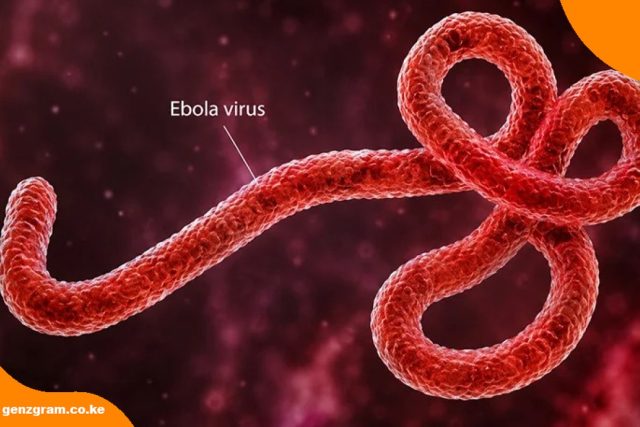
The discovery comes as international attention remains focused on emerging infectious diseases, but Shamonda virus should not be confused with Ebola.
Ebola virus disease is a serious human illness that can spread through direct contact with the blood and other body fluids of infected people who have symptoms, as well as through contaminated materials.
Shamonda virus has primarily been associated with animals and is known to spread among them through biting midges. Its first documented human infection has prompted authorities to investigate whether and how it can infect people.
The two viruses belong to different virus groups and have different known transmission patterns. The fatal outcome in France does not mean that Shamonda virus behaves like Ebola or that it presents the same public-health threat.
What happens next?
Health authorities are continuing laboratory and epidemiological investigations to determine how the patient acquired the infection, whether the virus contributed to the death and whether additional surveillance or control measures are necessary.
The findings could help scientists better understand whether the infection was an isolated event associated with the patient’s underlying condition or whether the virus has the potential to affect other people.
The case also highlights the importance of monitoring diseases that circulate in animals. Under the One Health approach, human health, animal health and environmental conditions are considered together because changes in one area can have implications for the others.
For now, the main message from French authorities is that this is the first documented human infection and that no health risk to the general population has been identified. Further conclusions will depend on the results of the investigations.