

President William Ruto has proposed introducing improved camel breeds and buffaloes into Kenya’s dairy sector as the country grapples with milk shortages, rising prices and the effects of prolonged drought on livestock production.
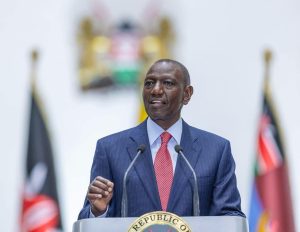
Speaking at the Agriculture and Food Systems Transformation Summit in Nairobi on Friday, October 9, 2026, Ruto directed Livestock Development Principal Secretary Jonathan Mueke to explore sourcing better camel breeds and buffaloes to diversify the country’s milk supply.
The proposal signals a potential shift in Kenya’s approach to dairy production, with the government considering alternative milk-producing animals rather than relying exclusively on conventional dairy cattle.
Why Ruto Wants Kenya to Consider Buffalo Milk
Ruto pointed to India, where buffaloes are widely reared for commercial milk production, arguing that Kenya should explore whether the animals could also contribute to local dairy production.
The President suggested starting on a small scale to assess the viability of milking buffaloes under Kenyan conditions before considering wider adoption.
Buffalo milk is known for its relatively high fat and solids content, making it suitable for products such as yoghurt, butter, cheese and ghee. However, introducing buffaloes into Kenya’s dairy industry would require careful consideration of animal breeds, veterinary controls, feed availability, water requirements and farming conditions.
The proposal is still at the exploration stage; it does not mean buffalo milk will immediately become available in Kenyan shops.
Camel Milk Emerges as an Alternative
The President also highlighted the commercial potential of camel milk, citing its comparatively high selling price in Nairobi.
Ruto said camel milk was retailing at approximately KSh180 to KSh200 per litre, making it a potentially attractive source of income for farmers in suitable areas.
Camels are particularly adapted to arid and semi-arid environments, where conventional dairy cattle can struggle when pasture and water become scarce. Expanding camel milk production could therefore create opportunities for pastoral communities, provided farmers have access to appropriate breeds, veterinary services, processing facilities and reliable markets.
Kenya already has an established camel-rearing tradition in its arid and semi-arid counties, meaning the proposal could build on existing livestock systems rather than introduce an entirely unfamiliar enterprise.
Drought Behind Kenya’s Milk Supply Challenges
The proposed changes come amid pressure on Kenya’s dairy supply chain, with prolonged dry weather reducing pasture availability and increasing the cost of animal feeds.
Data cited in recent government briefings showed that formal milk deliveries to processors declined from 84.4 million litres in June 2026 to 81.3 million litres in July, with further reductions reported in subsequent months.
The reduced supply has contributed to shortages affecting some retailers and consumers, while the price of available milk has risen in several urban markets.
For dairy farmers, the situation highlights the vulnerability of milk production to unreliable rainfall, expensive feeds and limited access to quality fodder.
Can Camels and Buffaloes Solve the Problem?
Although alternative livestock could help diversify milk production over the longer term, their introduction is unlikely to resolve an immediate shortage on its own.
Importing animals, meeting veterinary and quarantine requirements, establishing suitable production systems and developing collection and processing networks would take time and investment.
The government would also need to assess whether the cost of producing camel and buffalo milk could make it accessible to ordinary households, rather than primarily serving higher-priced market segments.
For Kenya’s dairy sector, the immediate challenge remains restoring reliable milk supplies while supporting farmers affected by drought. In the longer term, diversification could become part of a broader strategy to make livestock production more resilient to changing climatic conditions.
Ruto’s proposal has therefore opened a new discussion about the future of dairy farming in Kenya. Whether camels and buffaloes become a meaningful part of the solution will depend on the government’s implementation plans, scientific assessment and the economic realities facing farmers and consumers.
But again, who will milk the camels?
Get More Latest fresh news by visiting our home page: GENZGRAM