

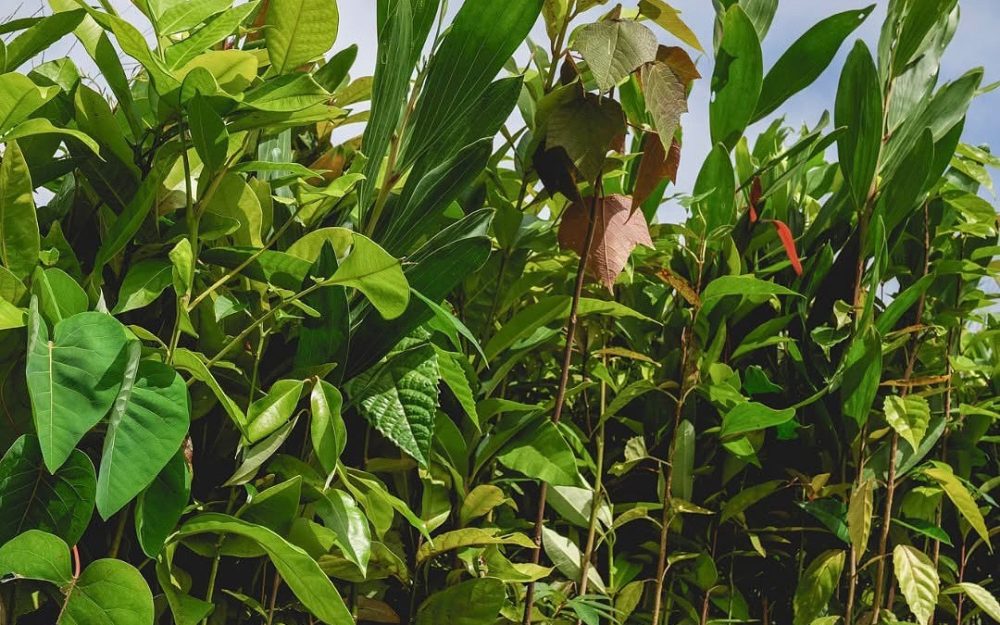
Kenya marks National Mazingira Day on Saturday, October 10, 2026, with renewed calls for citizens, institutions, businesses and communities to take practical action to protect the environment and restore degraded ecosystems.
This year’s celebrations are being held under the theme “Our Environment, Our Responsibility: Collective Action for Tree Growing and Environmental Stewardship.” The theme emphasises that environmental conservation cannot be left to the government alone but requires the participation of every Kenyan.
The national campaign forms part of the government’s wider ambition to grow 15 billion trees by 2032 and increase the country’s tree cover. As part of Mazingira Week, which runs from October 5 to 10, authorities have set a target of growing 17.24 million trees through coordinated activities across the country.
Why Mazingira Day Matters to Kenya
Mazingira Day is Kenya’s annual national occasion dedicated to environmental awareness, conservation and restoration. The day replaced Utamaduni Day following legislative changes in 2024, establishing October 10 as an opportunity to mobilise the public around environmental responsibility.
The occasion comes at a time when Kenya faces interconnected environmental challenges, including climate change, biodiversity loss, deforestation, land degradation, pollution and pressure on freshwater resources.
These challenges have direct consequences for livelihoods. Farmers depend on healthy soils and predictable rainfall, fishing communities rely on functioning aquatic ecosystems, and households need clean water and a safe environment in which to live.
Environmental degradation can weaken these systems, increasing the vulnerability of communities that depend directly on natural resources.
Mazingira Day therefore provides an opportunity to move beyond environmental awareness and encourage practical measures that improve the condition of forests, farms, rivers, wetlands, urban spaces and other ecosystems.
Government Targets 17.24 Million Trees
Tree growing is a major component of this year’s celebrations. According to the Kenya Forest Service, the government is encouraging citizens to participate in tree-growing activities, protect existing forests and restore degraded landscapes.
The 17.24 million tree target for Mazingira Week supports the broader national programme, which aims to grow 15 billion trees by 2032.
However, environmental experts stress that successful restoration should not be measured by the number of seedlings planted alone. Seedling survival, species selection, site suitability and long-term management are equally important.
Planting the wrong species in a particular ecosystem, neglecting seedlings after planting or failing to account for local rainfall and soil conditions can undermine restoration efforts.
For tree-growing initiatives to deliver lasting benefits, communities should select suitable species, plant at appropriate times, protect young trees from damage and replace seedlings that fail to establish.
The government has also encouraged Kenyans to use the JazaMiti application to record, monitor and track tree-growing activities, strengthening accountability in the national campaign. <Cite refs={[“turn329753search2″,”turn329753search5”]}/>
Environmental Conservation Goes Beyond Planting Trees
Although tree growing receives considerable attention during Mazingira Day, environmental stewardship encompasses much more than planting seedlings.
Protecting existing forests is particularly important because mature forests provide habitats for wildlife, store carbon, regulate water flows and support ecological processes that newly planted trees cannot immediately replace.
Wetlands and river catchments also require protection. These ecosystems help regulate water availability, support biodiversity and provide important services to surrounding communities.
In agricultural areas, practices such as agroforestry, soil conservation, responsible land management and the protection of riparian vegetation can contribute to healthier landscapes.
Waste management is another essential priority. Improper disposal of plastics, household refuse and other waste can block drainage systems, contaminate water sources and threaten wildlife.
Reducing unnecessary waste, reusing materials, separating recyclable waste and disposing of rubbish responsibly can help communities improve environmental conditions.
These actions demonstrate that environmental protection is not limited to national parks or forests. It begins in homes, schools, farms, markets, workplaces and public spaces.
What Mazingira Day Means for Farmers and Rural Communities
For rural communities across Kenya, environmental conservation is closely linked to food production, household income and long-term economic security.
Agroforestry, for example, integrates trees with crops or livestock systems. When appropriately planned, it can provide shade, improve farm productivity, diversify household income and help protect soil from erosion.
Fruit trees can offer additional benefits by producing food and generating income while contributing to vegetation cover. Indigenous trees can support local biodiversity, while carefully selected commercial tree species may provide timber, poles or other products.
Nevertheless, farmers must consider competition for water, light and nutrients when introducing trees into crop fields. Tree species and planting arrangements should match the objectives of the farm and the characteristics of the site.
In areas experiencing soil erosion, degraded riverbanks or declining vegetation cover, restoration efforts should be guided by the underlying causes of degradation rather than simply planting trees without a management plan.
Mazingira Day can therefore serve as a reminder that sustainable natural resource management is not only an environmental concern but also an investment in rural livelihoods.
The Responsibility of Young People and Schools
Schools and young people have an important role to play in building a culture of environmental responsibility.
School-based tree-growing programmes can provide learners with practical lessons about plant growth, biodiversity, climate change, waste management and ecosystem restoration.
However, such initiatives are most effective when learners participate in caring for seedlings after planting, monitoring growth and understanding why particular species are suitable for their school environment.
Environmental clubs can also organise clean-up exercises, waste separation programmes, school gardens and awareness campaigns.
Families and community organisations can reinforce these lessons by encouraging children to protect trees, avoid littering, conserve water and participate in local restoration initiatives.
Developing these habits early can help establish a generation that understands the relationship between environmental health and human wellbeing.
Collective Action Must Continue Beyond October 10
As Kenya observes Mazingira Day 2026, the central message is that environmental stewardship must become a continuous responsibility rather than an activity reserved for one day each year.
Government agencies have a role in enforcing environmental laws, supporting restoration programmes and providing technical guidance. County governments can strengthen waste management and protect local ecosystems, while businesses should manage their environmental impacts responsibly.
Citizens, meanwhile, can contribute by planting and maintaining suitable trees, protecting water sources, reducing waste and participating in community conservation projects.
The success of Kenya’s environmental ambitions will ultimately depend on the quality and continuity of these actions.
Mazingira Day 2026 is a call for every Kenyan to take responsibility for the environment. Planting a tree matters, but protecting it, caring for existing ecosystems and changing harmful practices are what turn environmental commitments into lasting results.
As the country works towards its 2032 tree-growing ambitions, the challenge is not merely to put more seedlings in the ground, but to build landscapes and communities that can sustain people, biodiversity and natural resources for generations to come.