
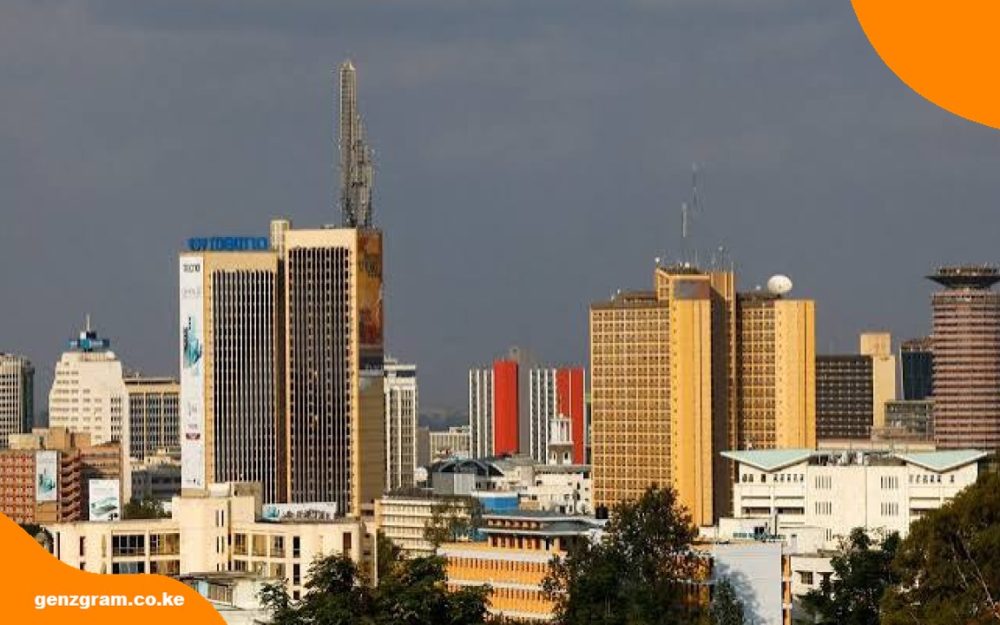
Kenya is in talks with the World Bank and the African Development Bank (AfDB) for more budget support, Central Bank of Kenya Governor Kamau Thugge said in an interview with Reuters on October 16, 2026.
The possible support includes another World Bank Development Policy Operation (DPO), with external financing expected before June 2027. Thugge also said an International Monetary Fund (IMF) team was expected in Nairobi in December, with a possible new programme among the topics.
Here is what that means in plain language, and why it matters to ordinary Kenyans.
Talks are not money
The key point first: these are negotiations. No new package has been announced as approved, and no new money has been disbursed from these talks. An amount under discussion, an approved loan and money actually received are three different stages.
This comes after a big loan in June
In June 2026, the World Bank approved a $750 million (about KSh97 billion) DPO for Kenya. It combined a $340 million loan from the International Bank for Reconstruction and Development with $410 million in cheaper, highly concessional financing from the International Development Association.
That approval did not come easily. The World Bank had frozen disbursement from this facility for much of a year after Kenya fell behind on seven laws and four policy reforms that the lender wanted in place first.
For the 2026/27 financial year, the National Treasury’s borrowing plan targets up to KSh151.2 billion from the World Bank, including about KSh94.2 billion through a DPO, KSh52 billion through a Rapid Response Option and KSh5 billion through a Programme-for-Results facility.
What is a Development Policy Operation?
A DPO is general budget support. Unlike a loan for a specific road or hospital, the money goes into the national budget. In return, the government must carry out agreed reforms, such as:
- Making public procurement more open, for example through electronic government procurement.
- Improving how public money is managed and reducing leakages.
- Strengthening social protection, such as how beneficiaries of cash transfers are identified.
Money is released only when agreed actions are completed, which is why disbursements can be delayed or frozen.
Why Kenya keeps borrowing
Kenya’s public and publicly guaranteed debt reached about KSh13 trillion in June 2026. Both the IMF and the World Bank rate Kenya as being at high risk of debt distress. A large share of government revenue goes to paying existing debt and fixed costs before any new development spending.
Loans from the World Bank and AfDB are usually cheaper and longer-term than commercial loans or Eurobonds, which is why the government prefers them. But they still have to be repaid, and they come with reform conditions.
What about the IMF?
Kenya has been without a funded IMF programme for some time. An IMF visit in December for an Article IV consultation is a regular annual review of the economy. It is not, on its own, approval of a new loan. Any new IMF programme would need its own negotiation and approval.
What it means for you
- Cheaper loans can ease pressure on the budget and reduce the need for expensive domestic borrowing, which can affect interest rates on loans for businesses and individuals.
- Reform conditions can mean changes to taxes, procurement rules or how government services work.
- More debt means more of future budgets goes to repayment, leaving less for services like health and education.
The GenZGram take
Young Kenyans will be paying for today’s borrowing for decades, so it is worth paying attention to the terms: the interest rate, the repayment period and the conditions attached. When the next deal is announced, the key question is not just how much Kenya is borrowing, but what it costs and what the country promises in return.
We will update this story when any new financing is approved.
Comments
Please keep it respectful. Links, phone numbers and adverts are not allowed and will not be posted.