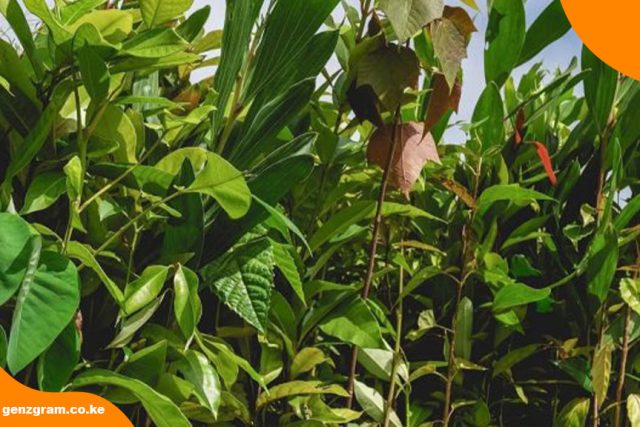

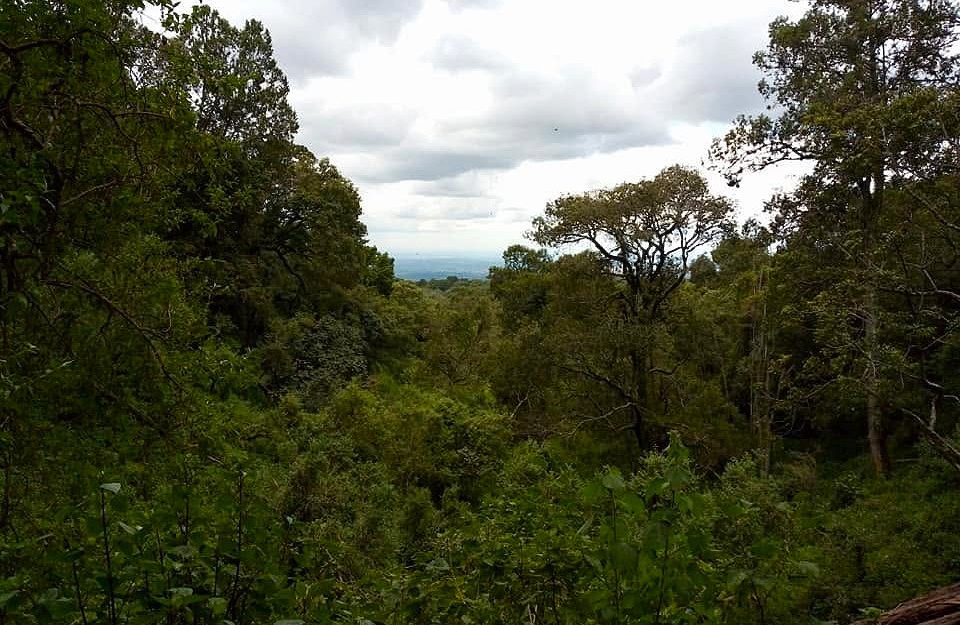
Kenyans are increasingly being encouraged to plant more indigenous trees as the country intensifies efforts to restore degraded landscapes, conserve biodiversity and build resilience against climate change.
Environmental experts argue that while increasing tree cover is important, the choice of tree species matters just as much as the number of seedlings planted. Indigenous trees, which occur naturally in particular regions and ecosystems, play an important role in supporting native wildlife, maintaining ecological balance and preserving Kenya’s natural heritage.
The growing emphasis on indigenous trees comes as the government pursues its national ambition of growing 15 billion trees by 2032. The initiative seeks to restore degraded landscapes, increase tree cover and strengthen the environmental systems on which communities depend.
But why are indigenous trees receiving particular attention, and what makes them important for Kenya’s environmental future?
1. Indigenous Trees Protect Native Biodiversity
One of the most important reasons for planting indigenous trees is their contribution to biodiversity conservation.
Over many generations, native plants have developed ecological relationships with organisms in their natural environments. Their leaves, flowers, fruits, bark and branches can provide food, shelter and breeding sites for birds, insects, mammals and other wildlife.
For example, some indigenous trees produce fruits eaten by birds and mammals, while their flowers provide nectar and pollen for pollinators. Their branches and cavities can also provide nesting and shelter opportunities for different species.
When indigenous vegetation is removed and replaced with large areas of a single tree species, the variety of habitats available to wildlife may decline.
Planting a diverse range of suitable indigenous species can help restore these habitats and support ecological interactions that are important for healthy ecosystems.
Kenya Wildlife Service has highlighted this benefit through tree-growing activities that use indigenous species to restore habitats and strengthen biodiversity around protected areas.
2. They Help Restore Degraded Ecosystems
Indigenous trees are important in restoring landscapes that have lost their natural vegetation through deforestation, uncontrolled land clearing, fires, overgrazing and other pressures.
Because native species are associated with particular ecological zones, selecting appropriate species can help re-establish vegetation that belongs naturally in a given landscape.
However, being indigenous does not automatically mean that a tree will thrive everywhere in Kenya. A species adapted to a dryland environment may struggle in a wet highland area, while a tree suited to a humid forest may not survive prolonged drought.
Successful restoration therefore requires an understanding of rainfall, altitude, soil conditions, drainage and the original vegetation of the site.
In some degraded areas, allowing existing vegetation to regenerate naturally may be more effective than planting seedlings everywhere. Where natural recovery is insufficient, enrichment planting with suitable indigenous species can help restore ecological functions.
Kenya’s forestry authorities have incorporated indigenous tree planting and invasive-species removal into restoration activities in degraded sections of Kakamega Forest.
3. Indigenous Trees Support Soil Conservation
Soil is a fundamental natural resource for agriculture, forestry and human livelihoods. When fertile topsoil is lost through erosion, agricultural productivity and the ability of land to support vegetation can decline.
Indigenous trees can contribute to soil conservation through their root systems, which help stabilise soil, and through leaf litter that adds organic matter as it decomposes.
The canopy of a tree may also reduce the direct impact of raindrops on exposed soil. In suitable planting arrangements, trees can slow surface runoff and help reduce erosion.
These benefits are particularly relevant on degraded slopes, along riverbanks and in landscapes where heavy rainfall can wash away exposed soil.
Nevertheless, the effectiveness of trees in controlling erosion depends on the species, root characteristics, vegetation cover, slope and how the land is managed. Protecting ground vegetation and maintaining appropriate land-use practices remain essential.
4. They Can Support Water Catchments
Healthy forest ecosystems are important for protecting water catchments, reducing soil erosion and supporting the ecological processes that influence water movement through a landscape.
Indigenous trees form part of many of Kenya’s natural forests and catchment ecosystems. Restoring these forests can help rebuild vegetation cover and protect the soil surrounding important water sources.
Their benefits are especially relevant in forested catchments, riparian zones and landscapes where vegetation has been degraded.
However, it is inaccurate to claim that planting any tree automatically increases water availability. All trees use water, and their effects on streamflow and groundwater depend on species, rainfall, soil, landscape conditions and planting density.
The priority should therefore be to restore the appropriate native vegetation in suitable locations, protect riverbanks and wetlands, and avoid poorly planned planting that could disrupt local water systems.
5. Indigenous Trees Contribute to Climate Change Mitigation
Trees absorb carbon dioxide from the atmosphere as they grow and store carbon in their trunks, branches, leaves and roots. Some carbon is also transferred into the soil through roots and decomposing organic material.
Indigenous trees can contribute to climate change mitigation when they are planted and managed successfully as part of forest restoration and sustainable land management.
Their value is not limited to carbon storage. Diverse, healthy ecosystems can also support wildlife, protect soils and help maintain the natural processes on which communities depend.
For Kenya, restoring degraded forests and other suitable landscapes can form part of a broader response to climate change.
However, the climate benefits of a planting programme depend on seedling survival, long-term growth, protection from fires and cutting, and whether the project restores an ecosystem or damages existing natural habitats.
This is why maintaining and protecting established trees is just as important as planting new seedlings.
6. They Preserve Kenya’s Natural and Cultural Heritage
Indigenous trees are part of Kenya’s biological heritage and have long been associated with local traditions, livelihoods and knowledge systems.
Different communities use particular tree species for food, traditional remedies, shade, construction materials, fuelwood and other purposes. Some trees also have cultural or spiritual significance.
The loss of indigenous tree species can therefore mean losing more than vegetation. It can also weaken access to useful resources and reduce opportunities for younger generations to learn about their natural environment.
Conserving indigenous trees helps preserve this knowledge while supporting the sustainable use of biological resources.
Where harvesting is permitted, it should be guided by appropriate conservation measures so that valuable species are not depleted.
7. Indigenous Trees Can Support Rural Livelihoods
Environmental conservation and economic development do not have to be opposing goals.
Depending on the species and location, indigenous trees can provide fruits, seeds, medicinal products, fodder, timber and other useful materials. Some species can be integrated into farms through agroforestry, boundary planting and other suitable arrangements.
Fruit-producing indigenous trees may contribute to household nutrition and income, while selected species can provide shade or support wildlife on farms.
Their economic value depends on factors such as growth rates, market demand, harvesting rules, product quality and the time required before useful products become available.
Farmers should therefore select species that match both their ecological conditions and their objectives.
Commercial exotic trees may still be appropriate for timber production or other purposes where they are well suited to the site and managed responsibly. The goal is not to eliminate all exotic species, but to ensure that tree-growing programmes support their intended environmental and economic outcomes.
8. Planting the Right Indigenous Tree Is Essential
Despite their benefits, indigenous trees should not be planted without proper planning.
The first step is to identify the purpose of the project. Is the objective to restore a forest, protect a riverbank, improve a farm, provide shade or establish a woodlot?
The next step is to select species suited to the site’s ecological conditions and obtain healthy seedlings from reliable nurseries.
Planting should then be followed by watering where necessary, mulching where appropriate, protection from livestock and fire, replacement of failed seedlings and regular monitoring.
Where natural regeneration is already occurring, protecting young naturally established trees may be a cost-effective way of restoring vegetation.
Ultimately, the success of a tree-growing initiative should be measured not simply by the number of seedlings planted, but by how many survive and contribute to a healthy ecosystem over time.
Why Kenya Needs More Than Trees
The growing encouragement to plant indigenous trees reflects an important lesson in environmental conservation: increasing tree cover is valuable, but ecological quality matters too.
Indigenous trees can support native wildlife, restore degraded landscapes, protect soil, contribute to catchment conservation, store carbon and preserve natural heritage.
For Kenya to achieve lasting environmental benefits, communities, farmers, schools, businesses and government agencies must prioritize appropriate species selection, protection of existing forests and long-term seedling care.
The goal should not simply be to plant more trees, but to restore the right trees in the right places and protect them long enough for future generations to benefit.