
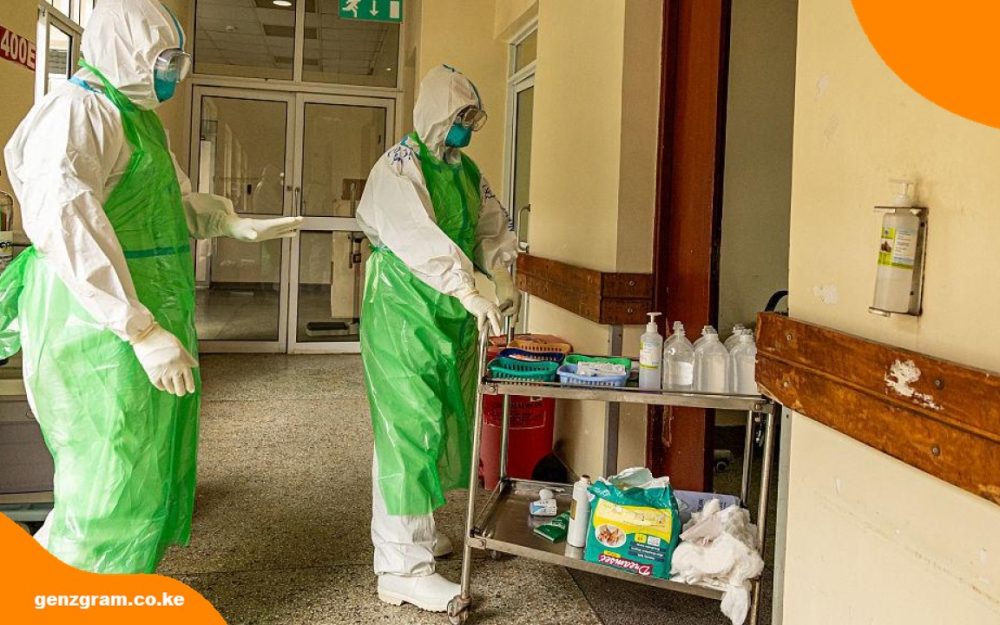
Kenya has reached an important milestone in its response to the Bundibugyo Ebola outbreak after the first 20 people identified as contacts of confirmed cases completed quarantine and were cleared to return home.
The Ministry of Health announced on October 26, 2026, that the individuals had completed the mandatory 21-day monitoring period without developing symptoms. Their release marks progress in efforts to contain the outbreak, although health authorities continue to monitor other contacts and provide treatment to confirmed patients.
According to the Ministry’s update, 98 contacts remained in quarantine, with their release expected in four phases beginning November 3, subject to individual health assessments. Kenya had recorded nine confirmed cases, including two deaths, while the other seven patients were stable and receiving treatment in designated facilities.
The World Health Organization (WHO) has been supporting the country’s response through surveillance, laboratory testing, contact tracing, infection prevention and control, and public communication.
The latest figures offer reassurance that health teams are identifying and monitoring people who may have been exposed. However, officials have emphasised that surveillance and preventive measures must continue until the remaining contacts complete their monitoring periods.
What Is Contact Tracing, and Why Does It Matter?
Contact tracing is a public-health process used to identify people who may have been exposed to an infectious disease through contact with a confirmed or suspected case.
In an Ebola response, health workers investigate the movements and interactions of an infected person during the period relevant to transmission. They may identify relatives, caregivers, healthcare workers, people who shared transport or flights, and others who had direct contact with the patient or potentially infectious body fluids.
Once identified, these individuals are contacted and assessed. Those considered exposed may be placed under quarantine and monitored for symptoms during the disease’s incubation period.
Kenya’s Ministry of Health previously reported that all 135 contacts associated with the initial imported case had been traced and placed under quarantine. Some subsequently developed symptoms while already under monitoring, allowing health teams to identify them and transfer them to treatment facilities.
This is one of the most important benefits of contact tracing: it helps authorities detect illness before an exposed person unknowingly interacts with more people.
Contact tracing does not mean that everyone identified as a contact has Ebola. It means that health professionals are taking precautionary steps because an exposure may have occurred.
Why Must Ebola Contacts Complete 21 Days of Quarantine?
Ebola symptoms do not necessarily appear immediately after exposure. The incubation period can range from two to 21 days, which is why health authorities monitor contacts for 21 days following their last relevant exposure.
During this period, health teams check for symptoms such as fever, unusual tiredness, headache, muscle pain, joint pain and sore throat. Other symptoms can include vomiting, diarrhoea and, in some cases, unexplained bleeding.
Anyone who develops symptoms requires prompt assessment and testing. If Ebola is confirmed, the patient is transferred to an appropriate treatment facility and the response team investigates whether additional people may have been exposed.
The 21-day period is important because a person who remains symptom-free throughout the required monitoring period can be assessed for release under public-health protocols.
The release of Kenya’s first 20 contacts therefore means they completed the monitoring period and met the health authorities’ release criteria. The Ministry said they had undergone final health assessments and received counselling on precautions after discharge.
Health officials have urged communities to welcome those returning home without discrimination or stigma.
What Is the Difference Between Quarantine and Isolation?
Although the terms are sometimes used interchangeably, quarantine and isolation serve different purposes.
Quarantine applies to people who may have been exposed to a disease but have not been confirmed to have it. They are monitored for symptoms and follow instructions designed to reduce the possibility of transmission if they become ill.
Isolation is used for people who are suspected of having an infectious disease or have tested positive and need to be separated from others while they receive medical assessment or treatment.
In Kenya’s response, people who developed symptoms while under quarantine were assessed, tested and transferred to designated treatment facilities when confirmed to have Ebola.
This distinction matters because being placed in quarantine does not mean someone is infected. It is a preventive measure intended to protect families, workplaces and communities.
What Should Members of the Public Do?
The Ministry of Health continues to encourage vigilance without unnecessary panic. Ebola is not spread through the air like influenza or measles. Bundibugyo virus disease spreads through direct contact with the blood or other body fluids of an infected person who has symptoms, a person who has died from the disease, or objects contaminated by infectious fluids.
Members of the public should take the following precautions:
– Avoid direct contact with the blood and body fluids of anyone suspected of having Ebola.
– Do not handle contaminated materials or participate in unsafe handling of the body of someone who may have died from Ebola.
– Wash hands regularly with soap and water, especially after contact with potentially contaminated materials.
– Seek medical attention promptly if symptoms develop after a possible exposure.
– Follow instructions from public-health officers if identified as a contact.
– Avoid spreading unverified claims or identifying affected people in ways that could expose them to harassment or stigma.
People who have not been exposed should not assume that every fever or illness is Ebola. Many common illnesses share early symptoms, so assessment by qualified health professionals is important.
Anyone who believes they may have been exposed and develops symptoms should avoid close contact with others and contact health authorities or a recognised health facility for guidance before travelling unnecessarily between facilities.
What Does the Latest Update Mean for Kenya?
The release of the first 20 contacts is a positive development, but it does not mean the response is over.
As of the October 26 update, 98 contacts remained under quarantine. Health teams must continue monitoring them, testing suspected cases, supporting patients and strengthening infection prevention measures in healthcare facilities and at points of entry.
The Ministry has also emphasised psychosocial support for people in quarantine, discharged contacts, patients, their families and frontline healthcare workers. Such support is important because quarantine can create anxiety, disrupt livelihoods and expose people to stigma.
The outbreak also demonstrates the importance of preparedness. Early identification, laboratory confirmation, safe patient care and systematic contact tracing can help prevent infections from spreading beyond an identified cluster.
Kenya’s public-health authorities have continued coordinating with WHO and other partners to strengthen the response. The WHO’s October 23 regional update reported no evidence of wider community transmission in Kenya at the time of its assessment, with the confirmed cases linked to the initial imported case.
That assessment should be understood in its stated timeframe; the situation must continue to be evaluated as new information becomes available.
What Happens Next?
The next major milestone will be the completion of monitoring by the remaining contacts. According to the October 26 Ministry update, their release is expected in four phases beginning November 3, provided they meet the required health criteria.
Until then, the public should continue following official health guidance, while people under monitoring should cooperate with health teams and report symptoms immediately.
Kenya’s experience shows why contact tracing and quarantine are central to Ebola control. By identifying people who may have been exposed, monitoring them for the full incubation period and moving anyone who becomes ill into care quickly, health authorities can reduce the risk of further transmission.
The message from the latest update is one of cautious progress: 20 contacts have completed quarantine, others remain under monitoring, and continued vigilance is necessary to bring the outbreak under control.



Comments
Please keep it respectful. Links, phone numbers and adverts are not allowed and will not be posted.