
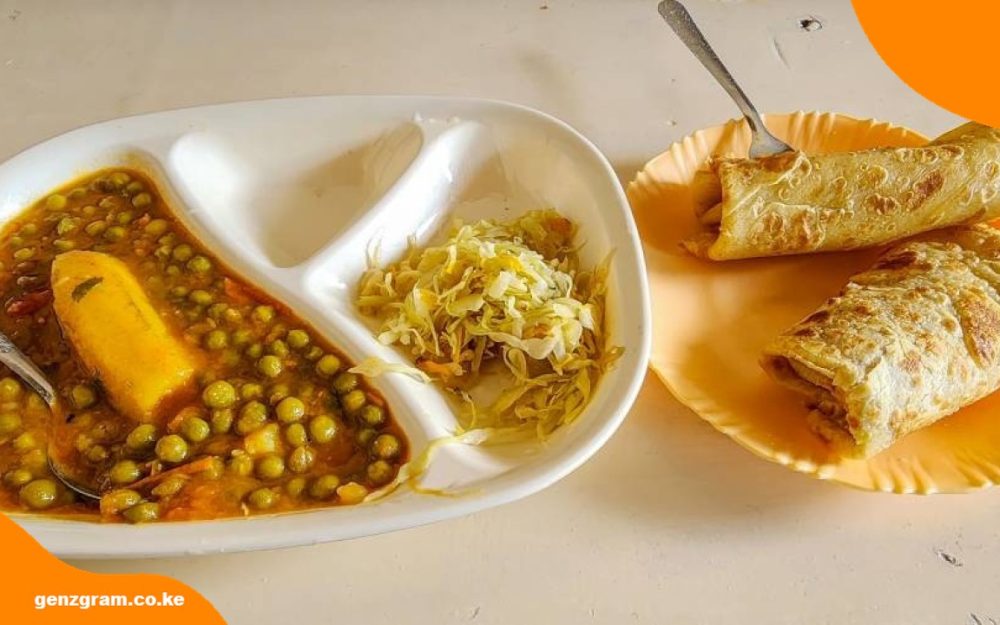
With the cost of living continuing to put pressure on household budgets, many Kenyan families are looking for ways to eat well without spending too much on food. The good news is that nutritious meals do not have to depend on expensive imported products, special diets or costly supplements.
Kenya’s markets, farms and local shops already provide a wide variety of affordable foods that can support a balanced diet. From sukuma wiki and beans to eggs, sweet potatoes, whole maize, millet and seasonal fruits, families can make healthier choices using ingredients they know and enjoy.
The secret is not necessarily buying more expensive food. It is choosing a variety of foods from different groups, preparing them well and planning meals to reduce waste.
Kenya’s Ministry of Health recommends eating a variety of foods daily, including whole or minimally processed starchy foods, vegetables, fruits, legumes and protein-rich foods. It also advises households to limit excess salt, sugar and cooking fat.
Here are practical ways Kenyan households can eat healthily while keeping food costs manageable.
1. Green Leafy Vegetables: Sukuma Wiki, Managu, Kunde and Spinach
Green leafy vegetables are among the most practical foods to include in everyday meals. Depending on the season and location, sukuma wiki, spinach, managu, kunde, terere and cabbage may be available at affordable prices in local markets.
These vegetables provide vitamins, minerals and fibre. Dark-green leafy vegetables are particularly useful as part of a varied diet, while different vegetables contribute different nutrients.
Families can prepare them with onions, tomatoes and a small amount of cooking oil. They can be served alongside ugali, rice, potatoes or sweet potatoes, with beans, eggs or another protein source.
For example, a family can prepare ugali, kunde and beans for supper. The meal combines energy-giving carbohydrates, plant protein and vegetables without requiring meat every day.
Another option is to mix different vegetables rather than buying only one type throughout the week. When one vegetable becomes expensive, a seasonal alternative may offer similar value.
2. Beans: An Affordable Source of Protein
Beans are a useful staple for families seeking nutritious meals on a budget. Common varieties include red kidney beans, green beans, yellow beans and other locally available dry beans.
Dry beans are particularly practical because they can be stored for extended periods when kept dry and protected from pests. Buying them in quantities that suit the household can reduce the need for frequent shopping.
Beans provide plant protein, fibre and other nutrients. They can help families prepare filling meals without relying on meat every day.
A simple meal idea is githeri made with maize and beans, served with vegetables. Another is boiled beans cooked with tomatoes, onions and carrots, accompanied by ugali or rice.
To save time and fuel, households can soak dry beans before cooking, where appropriate, and prepare a larger quantity for more than one meal. Cooked beans should be refrigerated promptly if they will be eaten later, and stored safely to avoid spoilage.
3. Green Grams, Cowpeas and Pigeon Peas
Green grams, commonly known as ndengu, are another useful source of plant protein. They can be prepared as a stew with tomatoes, onions and carrots, then served with rice, chapati or ugali.
Cowpeas, including their leaves and seeds, can also contribute to a balanced diet. Pigeon peas, known in some communities as mbaazi, provide another option for households looking to vary their meals.
These foods are especially useful because they allow families to rotate different protein sources during the week.
For instance, Monday’s supper might be githeri, Tuesday’s ndengu stew, and Wednesday’s cowpeas with ugali and vegetables. This variety helps prevent meals from becoming repetitive while making use of familiar ingredients.
Kenya’s national dietary guidelines recommend eating beans, peas, lentils, cowpeas, pigeon peas, soya, nuts and edible seeds regularly.
4. Eggs: Convenient and Versatile Nutrition
Eggs are a practical source of protein and other important nutrients. They are also easy to prepare, making them useful for breakfast, lunch or supper.
Families can boil eggs, scramble them with tomatoes and onions, or prepare an omelette with vegetables. A boiled egg served with sweet potatoes or whole-grain bread can make a simple breakfast.
Eggs can also supplement meals that mainly contain maize, rice or other starchy foods.
The most affordable option will depend on local prices, so households should compare the cost of eggs with beans, ndengu and other protein sources. There is no need to serve eggs at every meal: rotating them with legumes, fish, milk and other available foods can help manage costs.
For food safety, eggs should be cooked thoroughly, particularly when served to young children, older people or anyone with a weakened immune system.
5. Whole Grains and Traditional Staples
Maize, millet, sorghum and whole-grain wheat can provide energy for daily activities. Other useful staples include sweet potatoes, cassava, arrowroots, yams, potatoes and green bananas.
The healthiest practical approach is to vary these foods and combine them with vegetables and protein sources rather than relying almost entirely on one staple.
Ugali remains an important food in many Kenyan households. Families can continue eating it while making the overall meal more balanced by adding vegetables and beans, eggs or fish.
Where available and affordable, whole maize meal, millet and sorghum can help increase dietary variety. Whole grains generally provide more fibre than highly refined grains, although the nutritional value of a particular product depends on how it has been processed.
Sweet potatoes are another useful option. They can be boiled or steamed and served with eggs, beans or vegetables. Boiling and steaming often require less cooking oil than deep-frying.
6. Omena and Small Fish
For households in western Kenya and around Lake Victoria, omena and other locally available fish can provide useful alternatives to meat.
Omena supplies protein and minerals, and small fish eaten with their edible bones can contribute calcium. The price and availability of fish vary by location and season, so it is worth comparing the cost per meal with that of eggs and legumes.
Omena can be prepared with tomatoes and onions and served with ugali and leafy vegetables. Families should wash and prepare it appropriately, avoid excessive salt and ensure it is thoroughly cooked.
Other locally available fish may also be included when affordable. Meat and poultry can remain part of a balanced diet, but they do not have to be served every day if the household budget makes that difficult.
7. Seasonal Fruits Instead of Expensive Snacks
Fruit is an important part of a varied diet, but families do not need to purchase costly imported varieties.
Depending on the season and region, affordable choices may include bananas, pawpaw, oranges, mangoes, watermelon and guavas.
Buying fruit when it is in season can help reduce costs. Households can also choose fruits that are easy to share among family members and carry to school or work.
A banana, orange or slice of pawpaw can be a practical alternative to biscuits, sweets or sugary drinks. Whole fruit generally provides fibre that may be reduced when fruit is juiced.
The aim is to include fruit regularly, not to spend beyond the household’s means trying to buy every variety at once.
8. Milk, Fermented Milk and Groundnuts
Milk, yoghurt and fermented milk such as mala can contribute protein and calcium. The most suitable choice depends on household preferences, availability, price and individual dietary needs.
Groundnuts and other nuts or seeds can also add protein, fibre and healthy fats to meals. A modest serving may be used as a snack or incorporated into suitable dishes.
Families should compare prices and choose products without unnecessary added sugar or excessive salt. Anyone with a known food allergy should avoid the relevant food and follow professional advice.
How to Keep the Food Budget Under Control
Healthy eating becomes easier when families plan before shopping.
Plan meals around seasonal foods. Check which vegetables and fruits are plentiful and compare prices before deciding what to buy.
Buy dry staples carefully. Beans, maize, millet and other dry foods can be economical when stored properly and purchased in quantities the household can use without waste.
Prepare food in sensible batches. Cooking beans or githeri in larger quantities may save fuel and time. Store leftovers safely and reheat them thoroughly.
Reduce food waste. Use vegetables before they spoil, refrigerate suitable leftovers promptly and avoid buying more perishable food than the family can consume.
Use cooking oil and salt sparingly. Boiling, steaming and stewing can reduce the amount of oil needed compared with deep-frying. Use iodised salt, but avoid adding excessive amounts.
Choose water more often. Replacing frequent sugary drinks with safe drinking water can save money while reducing added sugar consumption.
Grow vegetables when possible. A small home garden may provide sukuma wiki, spinach or other suitable vegetables, provided the household has appropriate space, water and time.
Healthy Eating Is About Balance, Not Expensive Food
There is no single food that provides every nutrient a person needs. A healthy diet comes from combining different food groups and varying meals over time.
For many Kenyan families, a practical formula is to serve a staple such as ugali, rice or sweet potatoes alongside vegetables and a protein source such as beans, ndengu, eggs or fish. Add fruit when available, drink safe water and limit excessive salt, sugar and cooking fat.
The ideal portions differ by age, activity level, pregnancy, health conditions and other individual needs. Young children, pregnant women, older adults and people managing conditions such as diabetes may require more specific dietary guidance.
Ultimately, eating well does not require abandoning traditional Kenyan foods. With thoughtful planning, familiar ingredients can provide nutritious, satisfying meals that respect both the family’s culture and its budget.




Comments
Please keep it respectful. Links, phone numbers and adverts are not allowed and will not be posted.