
Travellers moving between Kenya, Uganda and Tanzania are being urged to pay attention to official public-health guidance as East Africa strengthens surveillance following a deadly outbreak of Bundibugyo virus disease, a rare form of Ebola.
Kenya reported its second Ebola-related death on Friday, October 23, 2026, bringing the number of confirmed cases to nine. The latest victim was a 65-year-old woman who was a close relative of the first confirmed patient and developed symptoms while in quarantine.
The Ministry of Health reported that seven patients remained under treatment at two isolation facilities. Authorities had identified 135 contacts linked to the outbreak and said there was no evidence of wider community transmission at the time of the announcement.
The developments have heightened attention on cross-border movement, particularly because the first confirmed patient travelled from the Democratic Republic of the Congo (DRC) through Uganda before arriving in Kenya. Nigeria has also reported an imported case in a traveller who had been to Uganda.
For people travelling for work, business, education, family visits or tourism, the situation raises an important question: what precautions should they take when crossing borders in the region?
What is happening in Kenya?
Kenya confirmed its first imported case of Bundibugyo virus disease in October after a Kenyan man who had been living in the DRC travelled home through Uganda. He subsequently tested positive and died on October 5.
Further cases were identified among people linked to the initial patient. These included family members and healthcare workers who had been exposed during the course of the response.
According to the World Health Organization (WHO), all eight additional cases reported in Kenya by October 20 were epidemiologically linked to the first imported case. The agency said there was no evidence of wider community transmission at that point.
The second death, announced on October 23, demonstrates the seriousness of the disease and the importance of identifying infections early, tracing contacts and monitoring people who may have been exposed.
However, the confirmed cases should not be interpreted as evidence that Ebola is spreading freely throughout Kenya. Health authorities have reported that the infections belong to one identified cluster, and surveillance efforts are intended to prevent further transmission.
Why Uganda is central to regional monitoring
Uganda has attracted attention because it was part of the travel route taken by Kenya’s first confirmed patient. A separate case reported in Nigeria also involved a traveller who had travelled from Uganda.
These developments have made travel history, airport monitoring and coordination between national health authorities particularly important.
Uganda previously recorded 20 confirmed cases and two deaths during the 2026 outbreak. The country subsequently declared its outbreak over in August, according to international health reporting.
However, a country that has declared an outbreak over can still remain relevant to investigations involving people who travelled through it. This does not automatically mean that an active outbreak is occurring there; it means health authorities may need to investigate travel histories and possible exposure routes.
Travellers should therefore pay attention to current Ugandan government announcements. Reports published on October 24 indicated that Uganda had introduced restrictions affecting travellers with a history of travel to the DRC, including transit arrangements. Anyone whose itinerary involves Uganda should confirm the current requirements with official authorities or their airline before departure.
What about travellers entering or leaving Tanzania?
Tanzania is also an important part of the regional travel picture because of its connections with Kenya and Uganda through road transport, commercial activity, tourism and family travel.
As of the latest reports reviewed for this article, no confirmed Tanzanian case was identified in the cited outbreak updates. That does not remove the need for preparedness, particularly at busy border crossings, airports and other points of entry.
Travellers planning to cross into Tanzania should check the latest guidance issued by Tanzania’s Ministry of Health and relevant immigration authorities. Requirements can change as officials assess new information, and travellers should not rely solely on old social media posts or unofficial claims about border closures.
The same principle applies to journeys in the opposite direction. People entering Kenya or Uganda should cooperate with any health screening or information requirements officially announced for their route.
There is an important distinction between health surveillance and a blanket travel ban. Screening may involve questions about recent travel, health declarations, symptom checks or referral for further assessment. These measures do not necessarily mean that ordinary cross-border travel has been suspended.
What should travellers expect at border crossings?
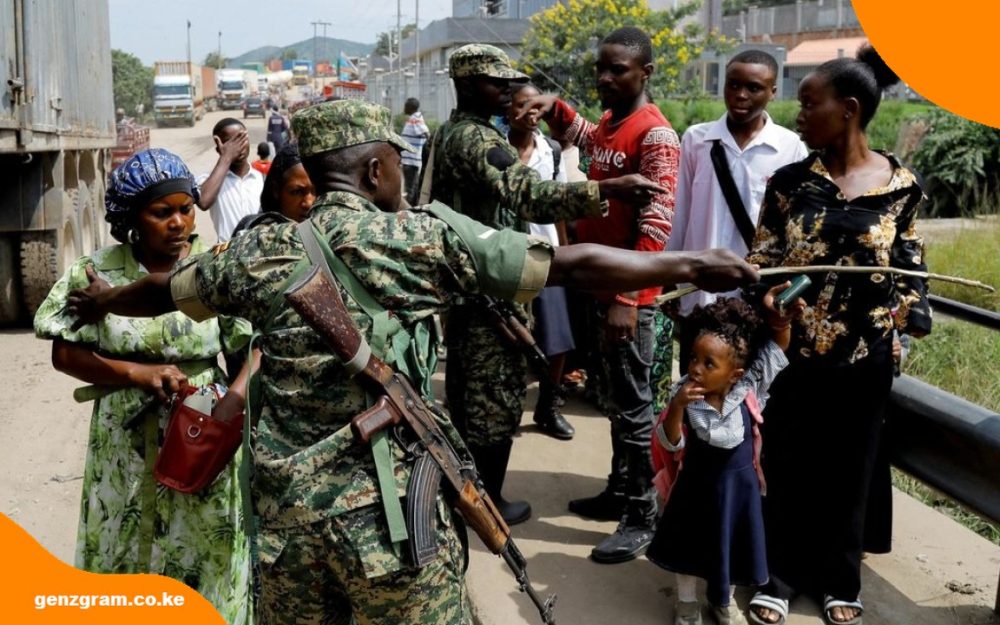
Depending on the latest measures in force, travellers may be asked about recent travel, destinations visited, possible exposure to an infected person or the presence of symptoms.
Health officials may also conduct temperature checks, review health declarations or refer someone for medical assessment when there is a public-health concern.
Travellers should follow instructions from authorised personnel, provide accurate information and avoid concealing relevant travel or exposure histories.
If you are planning a journey, consider taking the following steps:
1. Check official travel notices before departure. Consult the health and immigration authorities of the country you are entering, as well as your airline or transport operator where relevant.
2. Provide truthful travel information. Accurate details help health teams identify potential exposure routes and contact people who may need monitoring.
3. Pay attention to symptoms. Seek prompt medical advice if you develop symptoms consistent with Ebola, especially after a possible exposure or travel through an affected area.
4. Avoid unnecessary close contact if you become unwell. Contact a health facility or public-health service for guidance rather than travelling through crowded transport facilities while seeking help.
5. Do not circulate unverified alerts. Confirm claims about border closures, infected passengers or new cases through official public-health announcements.
6. Allow time for additional screening. If health checks are introduced on your route, follow instructions and make reasonable allowances for possible delays.
The exact measures in force may differ between countries and can change as the situation develops. Travellers should confirm requirements close to their departure date.
How Ebola spreads and what symptoms to watch for
Ebola is not generally spread simply because someone passes another person in a public place. According to the WHO, transmission occurs through direct contact with the blood or other bodily fluids of a person who is sick with or has died from Ebola, or through contact with contaminated materials.
A person infected with Ebola does not transmit the virus before developing symptoms. This makes symptom monitoring, contact tracing and timely medical assessment important parts of outbreak control.
Symptoms can include fever, fatigue, muscle pain, headache and sore throat. Some patients may subsequently develop vomiting, diarrhoea, abdominal pain and unexplained bleeding.
These symptoms can also occur in other illnesses, including common infections. Having a fever does not automatically mean that someone has Ebola. A healthcare professional must assess the circumstances, including possible exposure, and determine whether testing is necessary.
Anyone who suspects exposure should seek urgent guidance from a recognised health facility or public-health authority. They should explain their travel history and possible contact with an infected person so that healthcare workers can advise them on the safest way to obtain care.
Should travellers cancel their journeys?
The latest developments warrant vigilance, but they do not automatically mean that every journey between Kenya, Uganda and Tanzania must be cancelled.
The WHO has advised against imposing general travel or trade restrictions on affected countries, emphasising the importance of surveillance, early detection and coordinated public-health responses.
Nevertheless, individual travel requirements may be introduced by national authorities, and specific restrictions can apply to people with particular travel histories. The reported Ugandan measures involving travellers from the DRC illustrate why checking the latest official guidance is essential.
People travelling for essential reasons should make informed decisions based on current advice, their itinerary and any personal exposure concerns. Those who have had contact with a confirmed case or have been instructed to quarantine should follow public-health directions and should not attempt to bypass monitoring.
Why regional cooperation matters
Viruses do not respect national borders. A person may travel through several countries before an infection is identified, making communication between health authorities essential.
Effective regional preparedness involves sharing relevant information, tracing contacts, maintaining laboratory testing capacity, training healthcare workers and ensuring that suspected cases can be assessed safely.
Border communities also need reliable information. Residents who depend on cross-border trade or regular travel should be able to access clear instructions without unnecessary panic or stigma.
For Kenya, Uganda and Tanzania, the priority is to identify infections quickly, protect healthcare workers, support affected families and keep the public informed as verified information becomes available.
The key message for travellers is simple: stay informed, cooperate with official screening, understand the symptoms and seek medical advice promptly if exposure is suspected. Vigilance and accurate information are more useful than rumours or blanket assumptions about everyone travelling across the region.