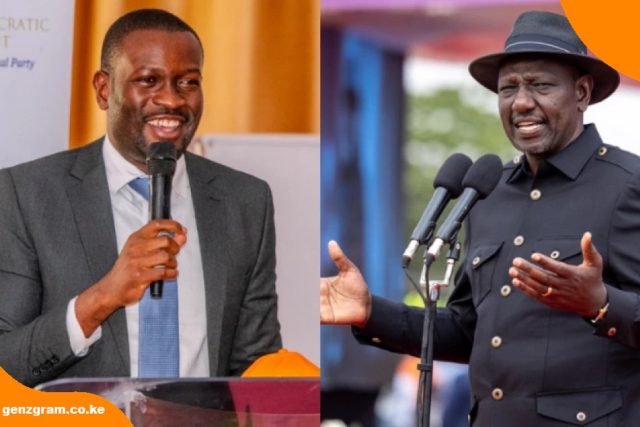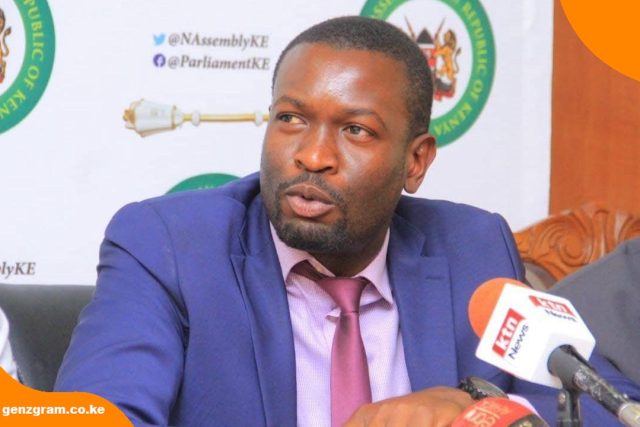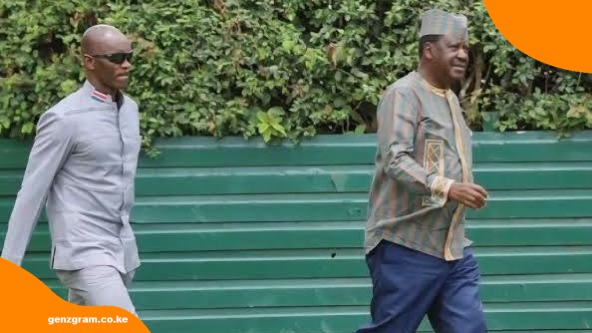

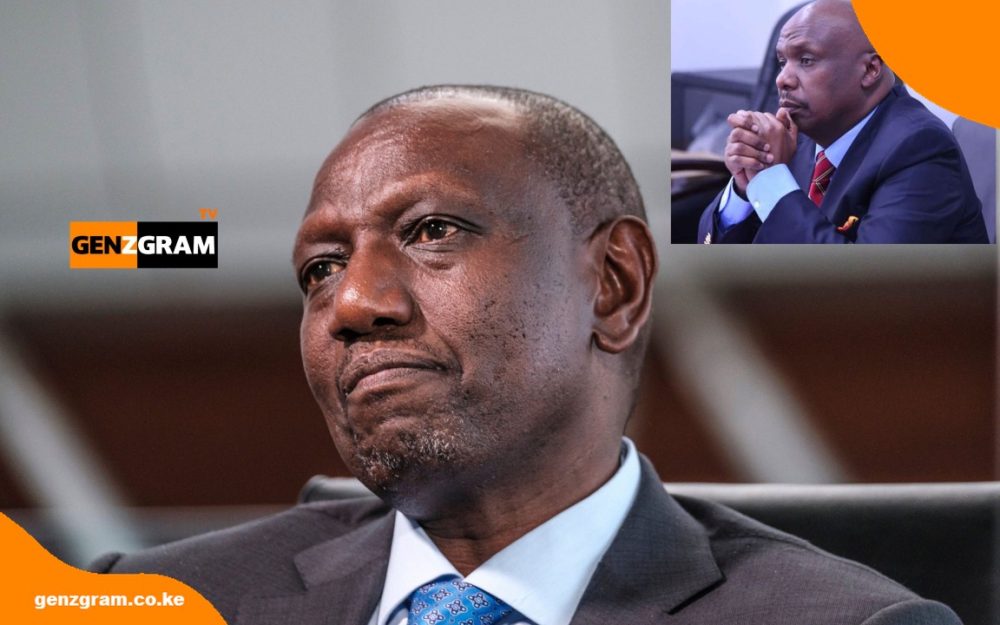
A political understanding that appeared to bring President William Ruto and KANU chairman Gideon Moi closer is now facing serious questions after Moi accused the Head of State of failing to honour their agreement.
Speaking before Kalenjin elders at his Kabarak home in Nakuru County on Friday, October 23, 2026, Moi said promises linked to their political cooperation had not been fulfilled. He also asked his community to forgive him for agreeing to work with the President, raising fresh questions about the future of their relationship ahead of Kenya’s 2027 General Election.
How the Ruto–Gideon Moi deal began
The relationship between Ruto and Moi has a long history of political rivalry. For years, the two represented competing centres of influence in the Rift Valley, with the Moi family carrying a political legacy built during the presidency of the late Daniel arap Moi.
That history made their reconciliation in October 2025 particularly significant.
On October 10, 2025, Ruto visited the Moi family home in Kabarak, where the two leaders publicly signalled a new understanding. The meeting was presented as an opportunity to work together and promote unity ahead of the next general election.
The political development came as Moi was seeking to reclaim the Baringo Senate seat he had held from 2013 to 2022. He eventually abandoned his bid, while KANU did not field a candidate in the by-election. The ruling United Democratic Alliance candidate, Vincent Kiprono Chemitei, subsequently won the contest.
The timing of Moi’s withdrawal raised questions about what he expected to gain from the arrangement. His latest remarks suggest that he believed the understanding would deliver commitments for Baringo residents and create opportunities for cooperation between KANU and the government.
What did Ruto reportedly promise?
According to reporting by The Standard, the commitments associated with the October 2025 rapprochement included completing stalled roads and dams in Baringo, constructing a stadium in Kabarnet, establishing a university and bringing KANU into government.
These reported commitments are central to understanding why the relationship is now under strain.
Moi has insisted that his concerns were not about securing personal wealth or business opportunities. Instead, he says he sought development projects that would benefit the people of Baringo and address needs he had not managed to fulfil during his previous tenure as senator.
During his address to elders, he said he had requested specific things for the community rather than personal benefits.
However, the precise terms of the political understanding have not been independently established through a publicly available signed agreement in the reports reviewed. The development commitments should therefore be understood as promises reported by the media and described by Moi, rather than as terms of a published contract.
The central question remains whether the commitments were formally agreed upon, what implementation timelines were discussed and what progress, if any, has been made.
Why has the relationship deteriorated?
Moi told the elders that the relationship began to deteriorate after the death of former Prime Minister Raila Odinga. According to his account, Ruto asked him to wait while the matter was resolved, but he says the promised resolution never came.
His frustration appears to have grown alongside public exchanges between the two political figures.
Ruto has previously accused Moi of sponsoring opposition activities and linked him to critical headlines published by The Standard Group, a media organisation associated with the Moi family.
Moi rejected the accusation, questioning how he could be responsible for writing newspaper headlines and arguing that such claims distracted attention from the agreement he wanted implemented.
The dispute has therefore moved beyond private negotiations. It now involves public accusations, questions about political trust and disagreements over what the two sides understood when they agreed to cooperate.
At the centre of the disagreement, however, is Moi’s allegation that commitments made during their reconciliation remain unfulfilled. Ruto’s account of the agreement and a detailed response to Moi’s latest allegations would be important in establishing the full picture.
Why Gideon Moi apologised to his community
One of the most notable moments of Moi’s address was his appeal to members of his community to forgive him for agreeing to work with Ruto.
He said he had acted with a clean heart, suggesting that his decision was made in good faith.
The apology is politically significant because it indicates that Moi is reconsidering how he explains the agreement to his supporters. By presenting the dispute as a matter affecting Baringo residents rather than merely a personal disagreement, he has placed development commitments at the centre of his criticism.
It also raises questions about KANU’s position going forward. The party must consider whether to maintain cooperation with the government, seek fresh negotiations or pursue a different political arrangement.
Nevertheless, the apology does not, by itself, confirm that Moi has formally joined an opposition coalition or decided to challenge Ruto in 2027.
What does the fallout mean for the 2027 election?
With the next general election approaching, the dispute could influence negotiations among political leaders seeking alliances and regional support.
For Ruto, the public disagreement creates questions about the durability of the reconciliation he announced in Kabarak. For Moi, it presents an opportunity to explain why he made the deal and what he believes went wrong.
KANU’s next steps will be important. The party could demand clarification on the reported commitments, reconsider its cooperation with the administration or explore other political partnerships. Any such move would need to be confirmed through official statements or concrete political actions.
The fallout also illustrates a recurring feature of Kenyan politics: public declarations of unity do not necessarily settle the details of political cooperation. Questions about development, representation and the distribution of government opportunities can re-emerge when parties believe expectations have not been met.
Still, it would be premature to conclude that the relationship is beyond repair. Political agreements can be renegotiated, and the two sides could yet find common ground. What matters now is whether there will be a clear response to Moi’s allegations and whether the reported development commitments will be addressed.
So, what happened to the Ruto–Gideon Moi deal?
Based on Moi’s latest public account, the arrangement has run into a serious dispute over promises he says remain unfulfilled. He stepped aside in the Baringo Senate contest after the two leaders signalled cooperation, but now says the expected benefits for the community have not materialised.
The full picture remains incomplete without a detailed response from Ruto or an independently verifiable record of the agreement’s terms and implementation.
As Kenya moves towards 2027, the question is no longer simply why the two leaders shook hands in Kabarak. It is whether the understanding they announced can survive their current disagreements—and what each leader will do if it cannot.
For now, the political deal is under renewed scrutiny, and the next moves by Ruto, Moi and KANU will determine whether this is a temporary disagreement or a more lasting political separation.
What do you think: can Ruto and Gideon Moi repair their relationship, or has their political deal reached a dead end?